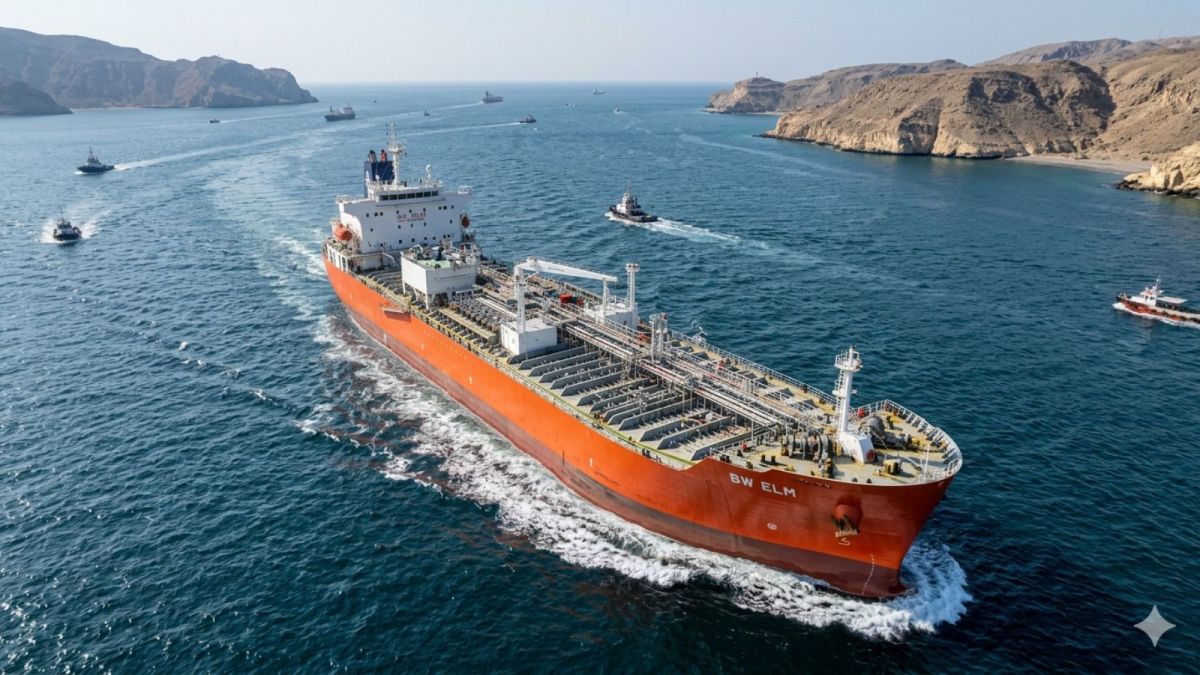
Iran’s warning of an “eye for an eye” response comes against a continuing cycle of United States air strikes and retaliatory attacks in West Asia. The development matters for UPSC because the conflict is now affecting maritime security, civilian shipping, and regional chokepoints such as the Red Sea and the Strait of Hormuz.
What happened
Iranian military and political statements promised continued retaliation while the United States keeps carrying out strikes. The United States Central Command reported continued night strikes, including the twelfth consecutive night, and said the strikes were meant to degrade Iran’s ability to threaten civilian mariners and commercial vessels in regional waters.
Iran’s army spokesperson said retaliatory attacks will continue as long as United States attacks persist. Iranian state media claimed that United States strikes hit border areas with Iraq and missile strikes on Bushehr, Iran’s only civilian nuclear plant.
How the conflict widened
The development spread to additional fronts through Iran’s allies, especially the Houthis. The Houthis allegedly attacked Saudi shipping in the Red Sea, claimed to have struck Saudi oil tankers after declaring a blockade of Saudi ports, and carried out missile and drone strikes on two tankers in the Red Sea.
Related current affairs
- Iran says it is halting ‘retaliatory strikes’ (Strait of Hormuz shipping)
- Jaishankar urges Iran to end attacks on commercial vessels
- Escalation trap
- Trump vows to hit a bridge or power plant in Iran for each Hormuz attack
- Allowing Iran to control Hormuz ‘dangerous precedent’, says Rubio
- Bahrain/Israel? Tebrin using Hormuz as leverage, other nations must ‘step up’: Rubio