GS2The Indian Express · Editorial
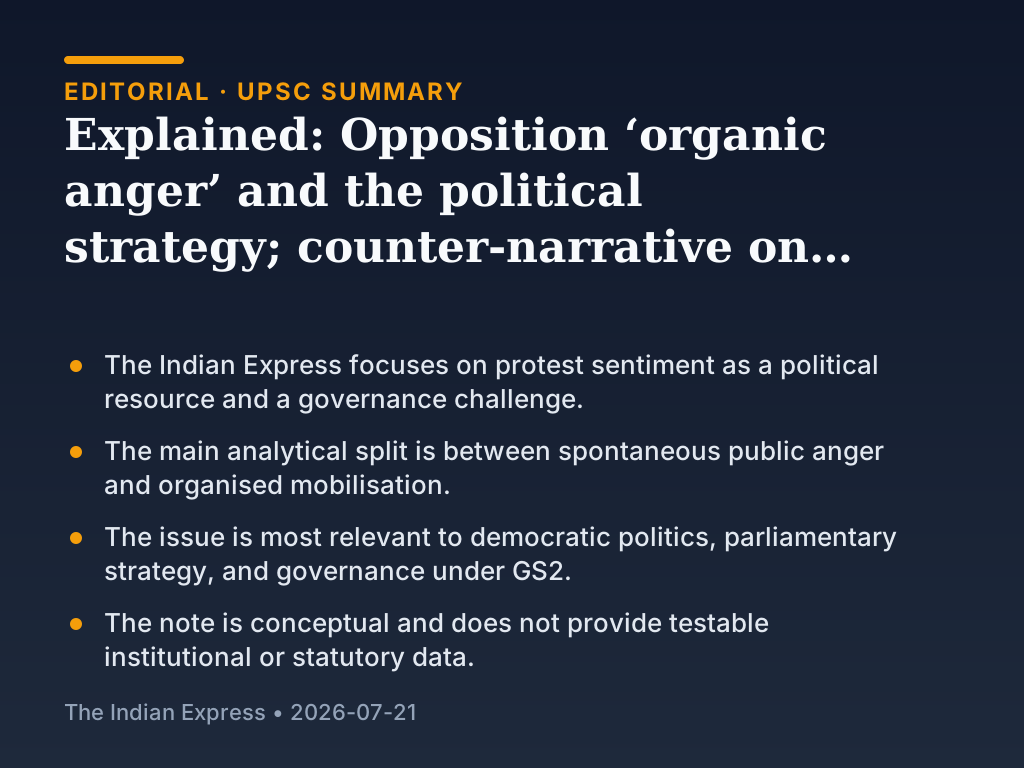
Explained: Opposition ‘organic anger’ and the political strategy; counter-narrative on protests
Editorial note on how political actors frame protest sentiment as spontaneous outrage or organised mobilisation, and what that means for governance and parliamentary-season politics.
SP
Samachar Pathshala Desk
Published 21 Jul 2026 · 1 min
Key takeaways
- The explainer treats protest sentiment as a political and governance issue rather than as a purely law-and-order question.
- Political actors can describe the same public unrest as either spontaneous anger or organised mobilisation.
The Indian Express examines the political meaning of protest sentiment and the counter-narratives built around it. The core issue is not only whether unrest is visible on the streets, but also how political actors interpret it, attribute it, and use it in parliamentary-season strategy.
The UPSC angle
GS2Essay
UPSC framing
Relevant for GS2: Parliament, political parties, democratic processes, and governance.
Related dispatches

The Indian Express
PM chairs high-level meeting with secretaries; focus on Viksit Bharat and sectoral priorities
The Indian Express
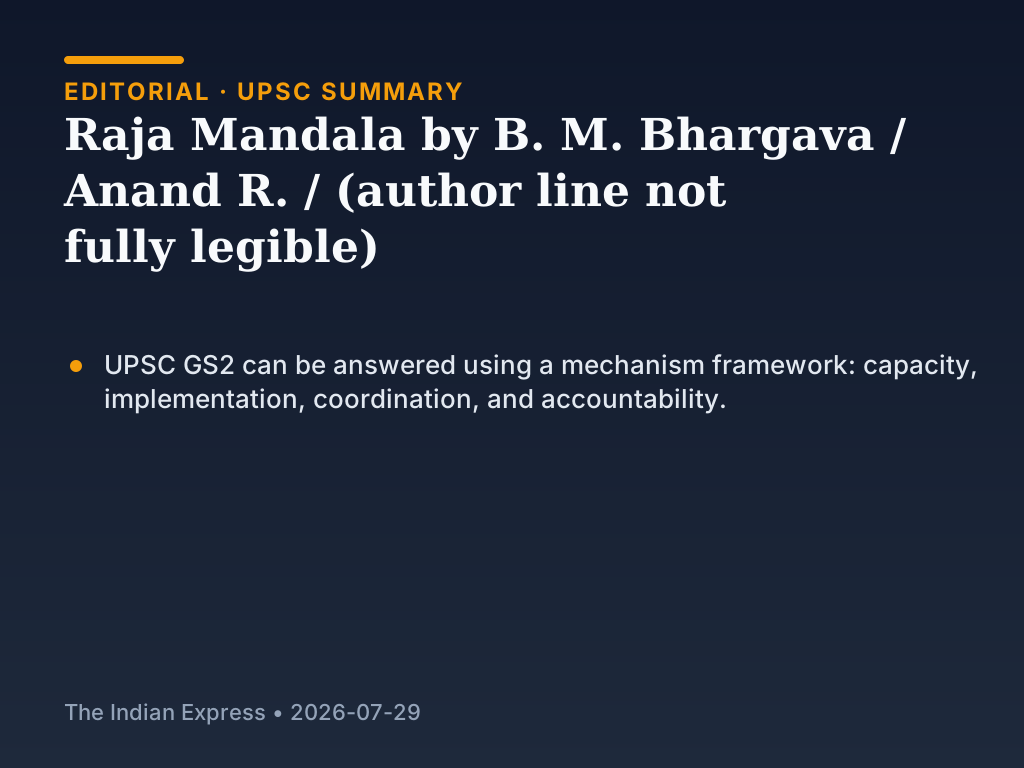
Raja Mandala by B. M. Bhargava / Anand R. / (author line not fully legible)
The Indian Express
Women’s rights and governance: call for stronger protections (extractable only as fragments)
The Indian Express
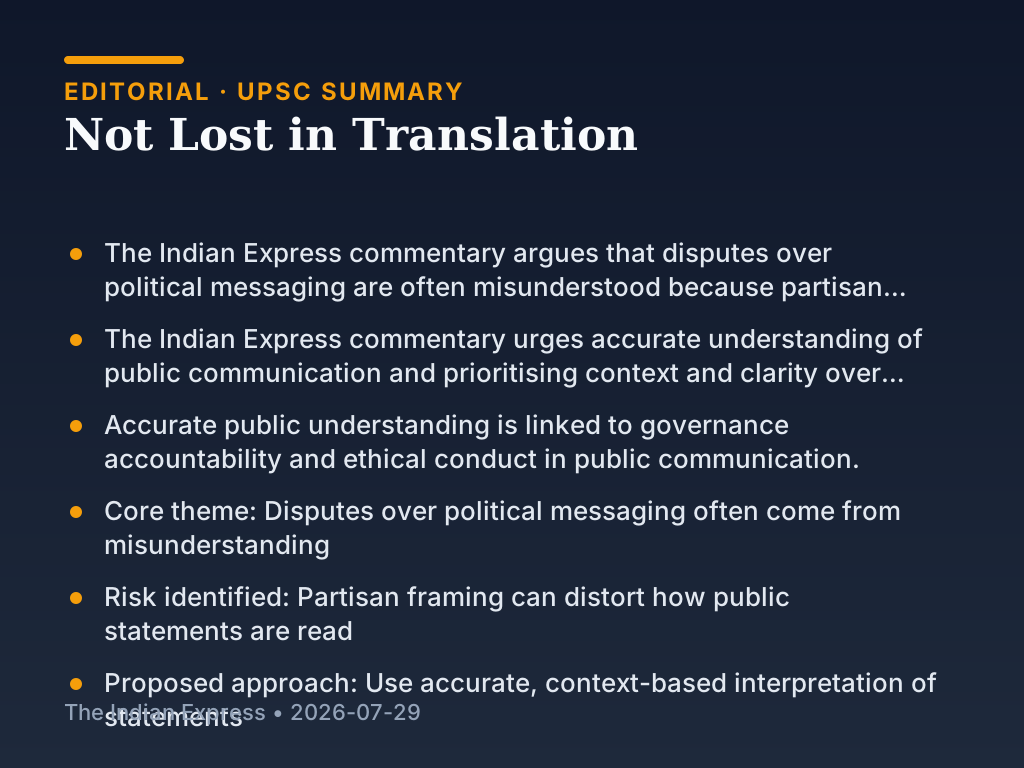
Not Lost in Translation