Not Lost in Translation
An opinion-style commentary argues that political messaging disputes are often shaped by misunderstanding and partisan framing, and it urges accurate, context-based reading of public statements.
- Political statements can be misread when quotes are used without full context, or when motive is assumed instead of checked against the exact wording and timing.
- When citizens can understand what public officials actually said and meant, citizens can judge performance and make fair demands in elections and public debate.
- Context-based interpretation means reading the full statement, noting the timeline, and checking supporting details so intent is not inferred only from selective excerpts.
What happened
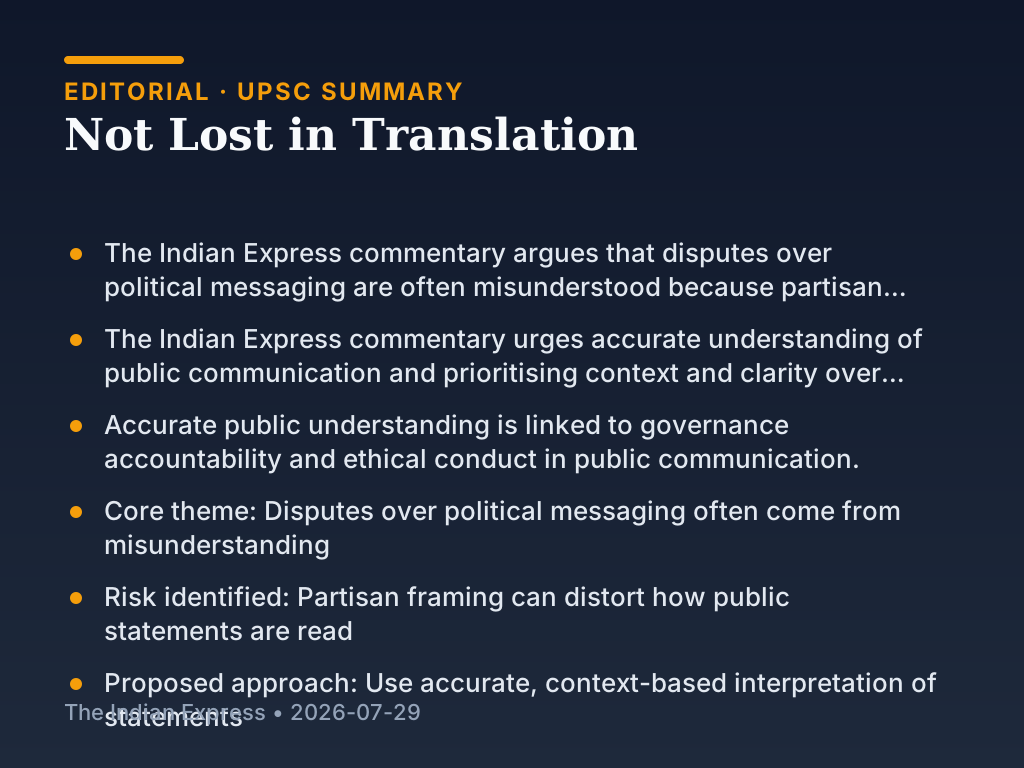
The Indian Express commentary discusses disputes around political messaging and argues that such disputes can become politicised through misunderstanding. The commentary’s main claim is that narratives promoted by competing political camps can distort how citizens interpret the meaning and context of public statements. It urges readers to prioritise accurate understanding rather than mainly relying on partisan assumptions about intent.
Background and earlier position
UPSC can use this theme to reward answers that separate what a political claim states from assumed intent, using context and verifiable evidence. The ethics angle fits GS4: clearer and more truthful communication reduces misinformation and strengthens accountability.