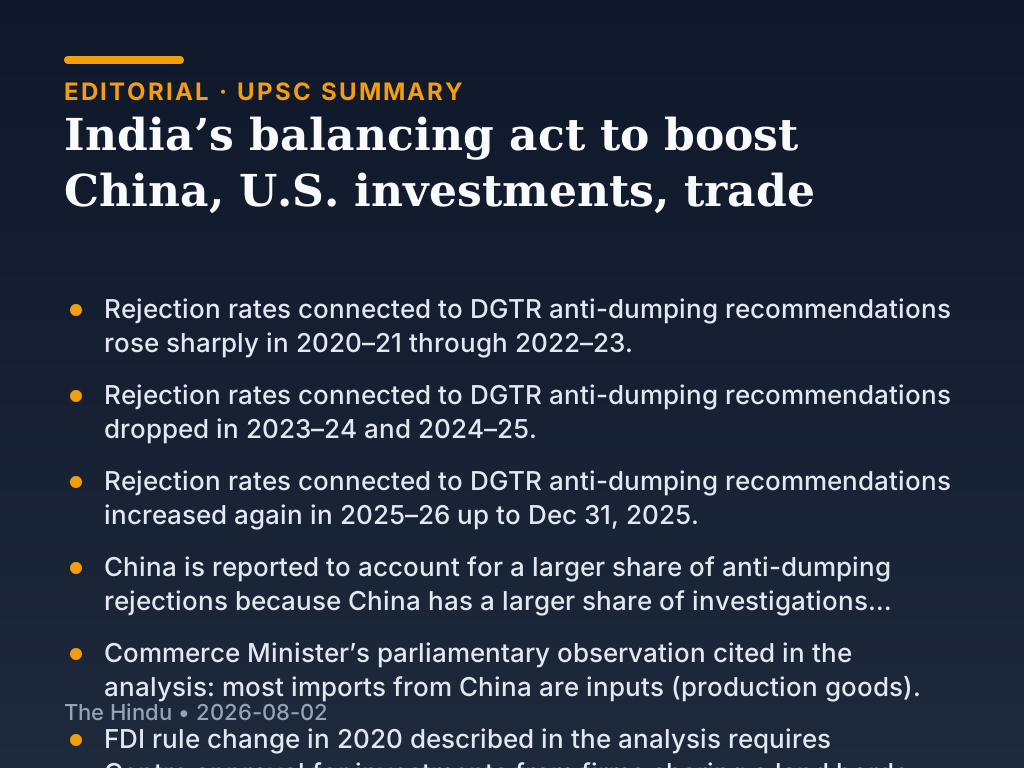
India’s balancing act to boost China, U.S. investments, trade
India’s anti-dumping outcomes and selective foreign investment permissions are evolving in parallel with China- and U.S.-linked trade and compliance concerns.
GS3GS2The HinduGS3Trade remedies (Anti-dumping)Foreign Direct Investment (FDI) policyIndia–China economic relations
What happened: DGTR anti-dumping outcome trends alongside China-linked and U.S.-linked trade/investment tuning
India’s policy direction is combining trade remedies with selective foreign investment permissions to keep trade and investment flows active while managing strategic and compliance risks linked to China and the United States.
DGTR (Directorate General of Trade Remedies) continues issuing recommendations to the Ministry of Finance on whether anti-dumping duties (or extensions) should be imposed. A trend based on Centre for Digital Economy Policy (C-DEP) data describes how rejection rates connected to these recommendations changed over time.
Rejection rates linked to DGTR recommendations followed a rise–fall–rise pattern:
• 2020–21 to 2022–23: rejection rates rose sharply.