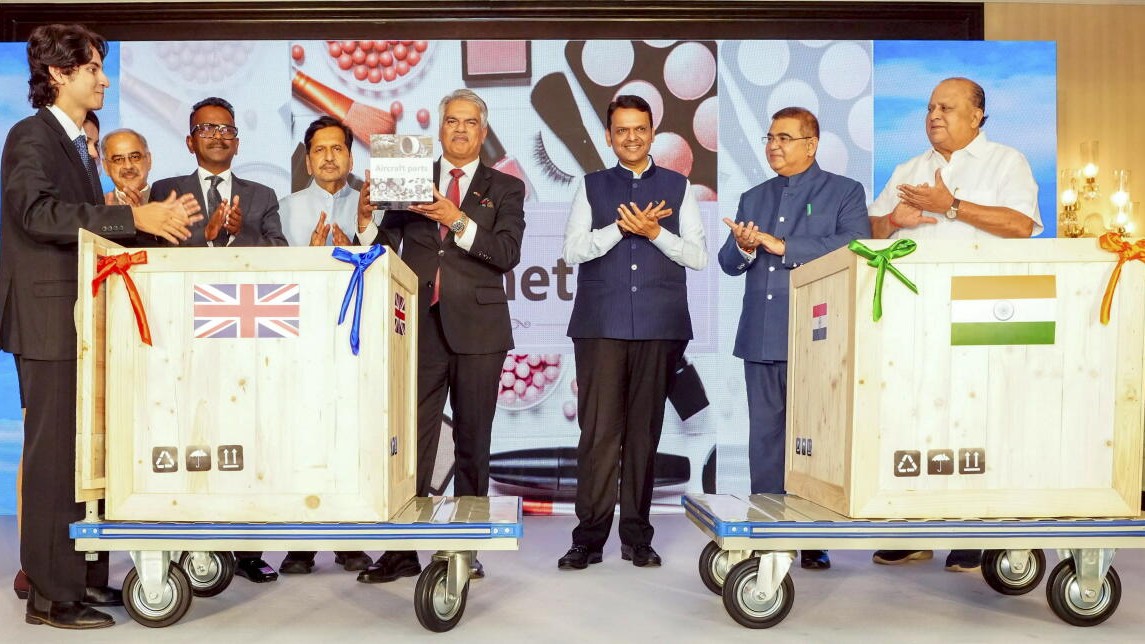
What happened
The India-U.K. Comprehensive Economic and Trade Agreement became effective on July 15 and is now accompanied by the Double Contribution Convention. The combination matters because the trade pact opens market access in goods and services, while the social-security arrangement reduces the cost of short-term posting of workers.
Background and earlier position
Before the new arrangement, Indian firms and workers faced higher frictions in the United Kingdom market. Tariffs, services barriers, and social-security payments added to the cost of cross-border business, especially for temporary postings and services delivery.
What changed now
The United Kingdom will remove tariffs immediately on most tariff lines and the agreement is described as covering nearly all trade value. The pact also opens access across digital trade, procurement, small and medium enterprises, innovation, labour, environment, gender, sanitary standards, and technical standards.
Related current affairs
- What are the gains from the India-U.K. trade deal (CETA)? How do the two countries benefit? What changes will the deal bring for Indian workers in the U.K.? What was left out of the deal?
- New trade pact a win-win for India and U.K.
- India-U.K. FTA a boost for farmers and small,medium firms, says PM
- ‘Gold standard’ India-U.K. trade deal is coming into effect today
- Southern African Customs Union, India revive trade talks
- India’s services exports rise to USD 421.3 billion in FY 2025-26; government multi-pronged strategy via FTAs, MRAs and trade promotion