What happened
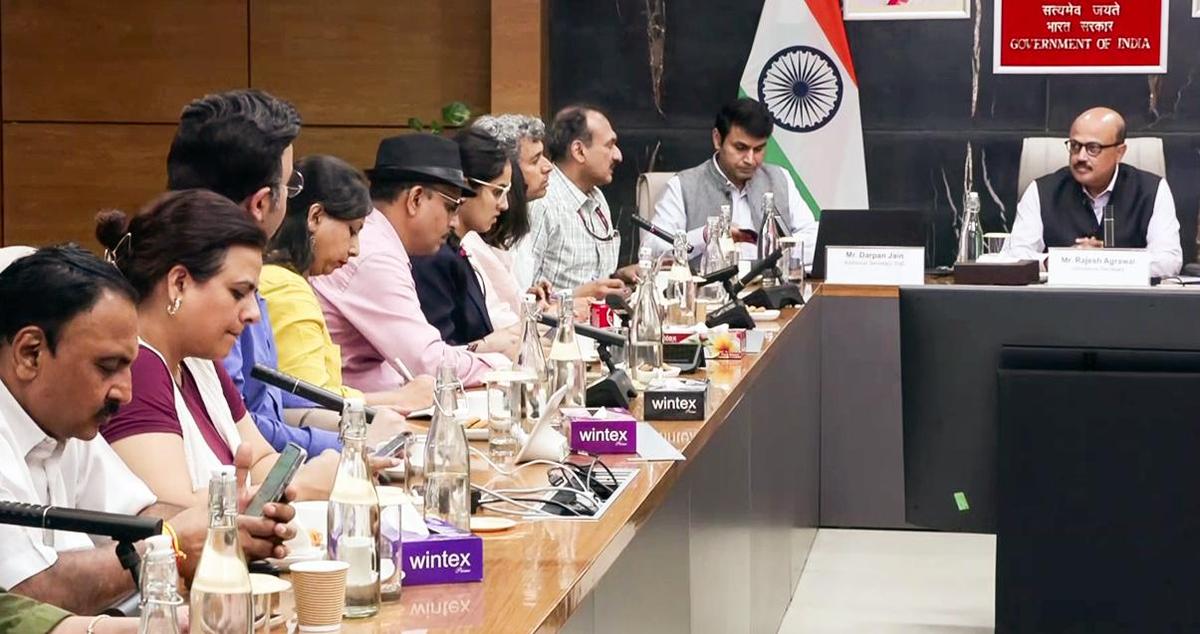
The India–United Kingdom Comprehensive Economic and Trade Agreement (CETA) and the Double Contribution Convention (DCC), signed in July last year, are coming into effect. Commerce Secretary Rajesh Agrawal described both instruments as among the most ambitious and aspirational free trade arrangements for India.
According to the official announcement, the United Kingdom will immediately remove tariffs on nearly all tariff lines. India will immediately eliminate tariffs on a smaller share of trade value and will phase out the remaining tariffs for additional portions over time. Both sides also provide quota-based tariff reductions in defined segments.
Background and earlier position
India and the United Kingdom had already negotiated a broader economic partnership that extends beyond market access in goods. The CETA includes chapters on digital trade, government procurement, support for micro, small and medium enterprises, innovation, labour, environment, and gender, showing the shift in free trade agreements from simple tariff cuts to wider regulatory cooperation.
The DCC addresses a recurring problem for Indian workers abroad: double social-security contributions in both countries. Before such conventions, workers and employers could face duplicate payment burdens when domestic social-security obligations overlapped with host-country contribution rules.
Related current affairs
- What are the gains from the India-U.K. trade deal?
- What are the gains from the India-U.K. trade deal (CETA)? How do the two countries benefit? What changes will the deal bring for Indian workers in the U.K.? What was left out of the deal?
- India-U.K. FTA a boost for farmers and small,medium firms, says PM
- New trade pact a win-win for India and U.K.
- Southern African Customs Union, India revive trade talks
- Questions for Phase 2 of Census likely to come out soon