What happened: NEET paper-leak protests at Jantar Mantar and the shift after July 20 police action
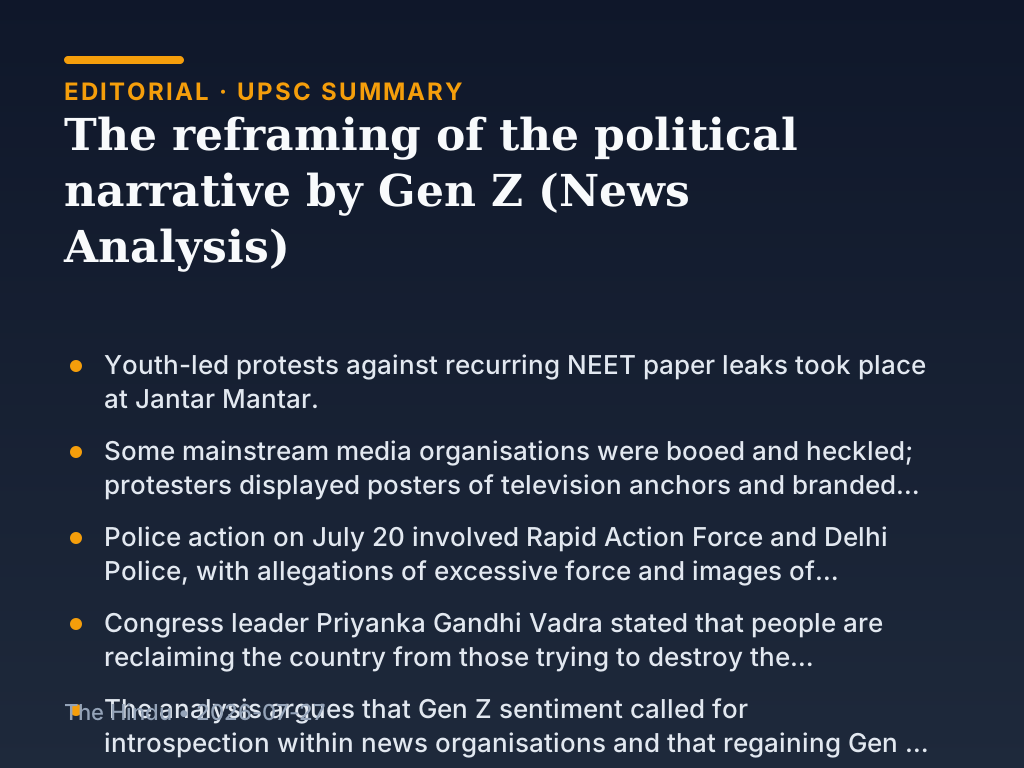
Youth-led protests focused on recurring NEET paper leaks unfolded at Jantar Mantar, with young people from diverse backgrounds participating and demanding action while asserting that their personal stories deserved public attention. The protests also targeted perceived media bias, with some mainstream media organisations being booed and heckled; protesters displayed posters of television anchors and branded them as “anti-national.”
The protest narrative broadened after police action on July 20. The protest account described Rapid Action Force and Delhi Police action and alleged excessive force, including images of students being dragged. After these events, the movement moved from a narrow focus on paper leaks toward broader youth concerns about fairness in opportunity and accountability in institutions.
Background and earlier position: youth optimism and “All is well” style framing
The analysis connects youth optimism—captured by the line “All is well” from the film Three Idiots—to the perceived mood of young people during the NEET paper-leak protests. It also highlights a common stereotype that Gen Z is politically detached, and argues the protest sentiment instead pushed Gen Z into a more active political role, including calls for introspection within news organisations.
What changed now: from education reform to wider political trust and accountability concerns
Related current affairs
- ‘Gen Z’ protests test the Sangh, raise uncomfortable questions
- Stone-laden truck: Cong. flags differing police claims
- In Brief: Why should Jantar Mantar be used as protest site, asks HC
- Delhi Police welds barricades at Jantar Mantar
- Pleas in SC allege illegal detentions in Delhi, Bihar
- Police say two ACPs injured in clashes; FIR registered