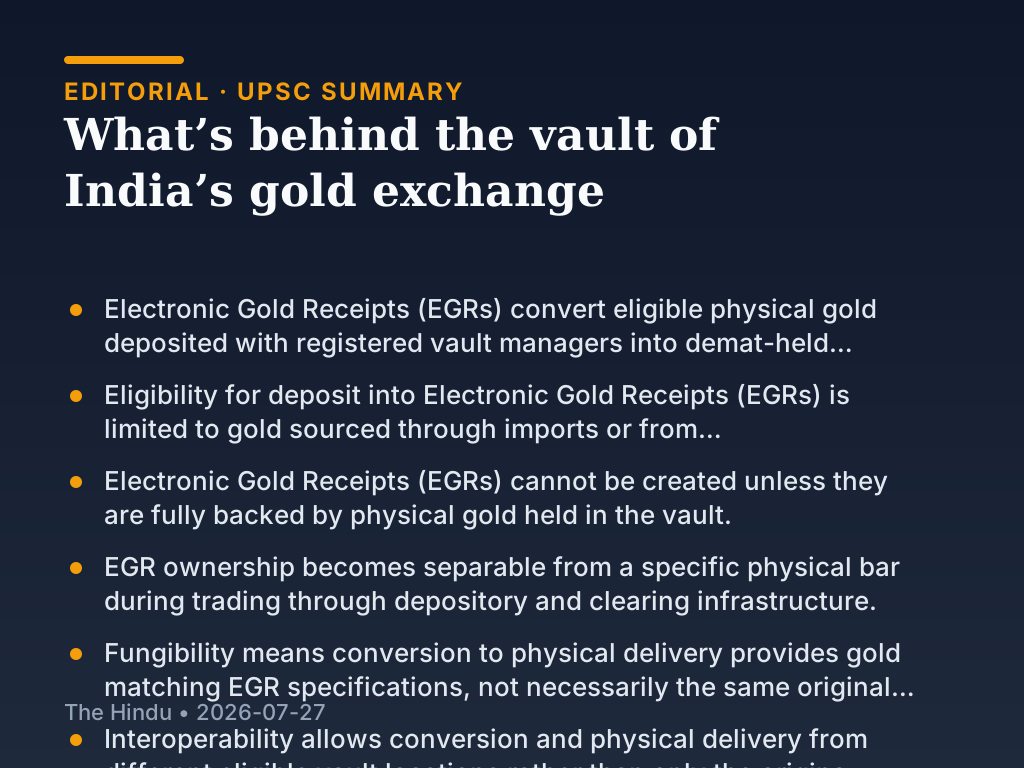
What happened: Electronic Gold Receipts (EGRs) as a national gold trading layer
Electronic Gold Receipts (EGRs) are designed to create a national, exchange-traded channel for buying and selling standardized physical gold. Gold depositors place eligible physical gold in registered vaults and receive EGRs credited to their demat accounts. EGRs then trade on stock exchanges, while the underlying gold stays in the vault rather than being physically moved after every trade.
Background and earlier position: fragmented physical gold trading and inconsistent prices
Earlier gold trading in India has been fragmented across jewellers, bullion dealers, and over-the-counter markets. Fragmentation can produce inconsistent pricing across regions even when gold purity and specifications are standardized. EGRs introduce a national platform intended to standardize tradable units and improve the information flow used for price discovery.
What changed now: the EGR “vault-to-portfolio” lifecycle
The EGR model uses a lifecycle that begins with physical deposit and ends with optional conversion back into physical delivery. The lifecycle specifies eligibility, verification, issuance, trading, reconciliation, and settlement roles for different entities in the ecosystem.