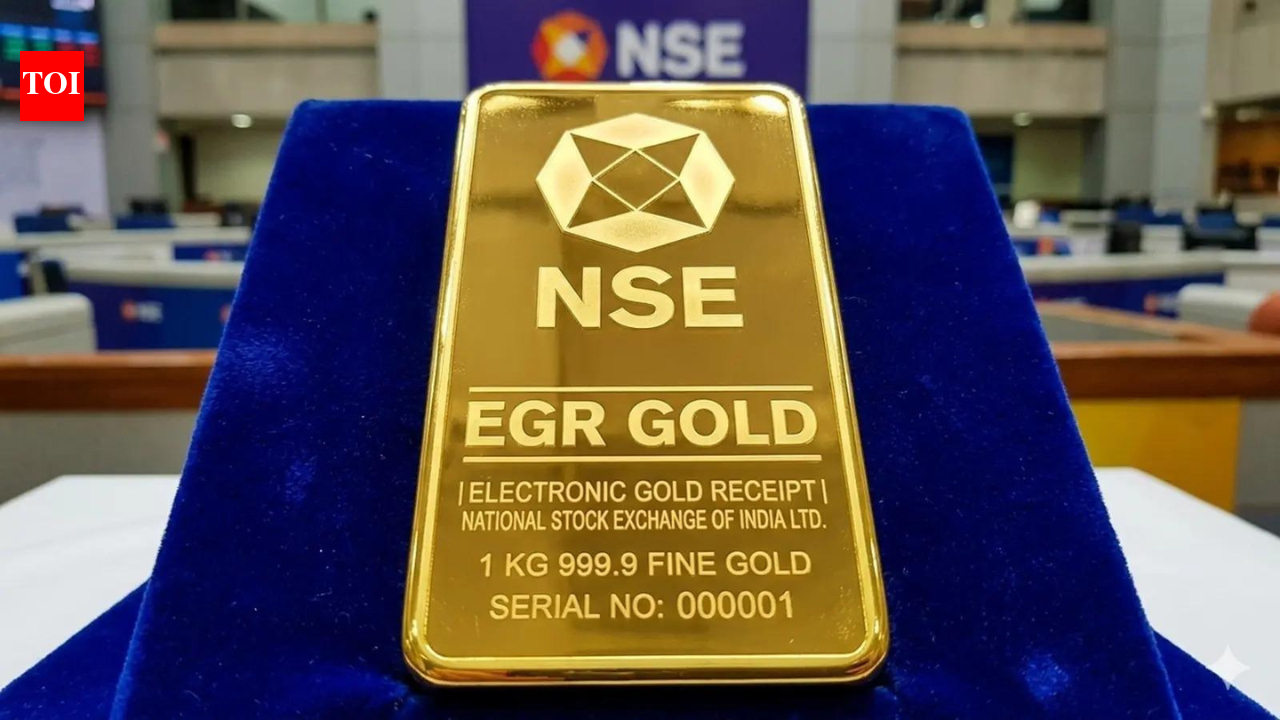
Electronic Gold Receipts (EGRs) create a way to own gold electronically while the underlying bullion stays in regulated vaults. The topic matters for UPSC because it sits at the intersection of the securities market, gold monetisation, and investor convenience.
What happened
The regulatory path for EGRs moved in stages. Securities and Exchange Board of India (SEBI) issued a framework in 2021 for gold exchanges and vault managers. The Government of India later notified EGRs as securities. In 2022, a risk-management framework followed, and the Bombay Stock Exchange (BSE) launched the first EGR segment.
How Electronic Gold Receipts work
An EGR represents a specified quantity of gold of defined purity. The instrument can be held in demat form and traded like a security during market hours. The holder can also convert the EGR into physical gold through a prescribed process.
Key features
Related current affairs
- What’s behind the vault of India’s gold exchange
- SEBI unveils Information Technology Resilience Index (ITRI) for market infrastructure institutions
- SEBI fines two firms ₹3.7 crore for CAS manipulation
- CAS will help detect market manipulators, asserts SEBI chief Tuhin Kanta Pandey
- SEBI pulls up Dhenu Buildcon over round-tripping charges
- CAS here to stay, but open to review for improvement: SEBI (Tuhin Kanta Pandey)