What happened (issue raised)
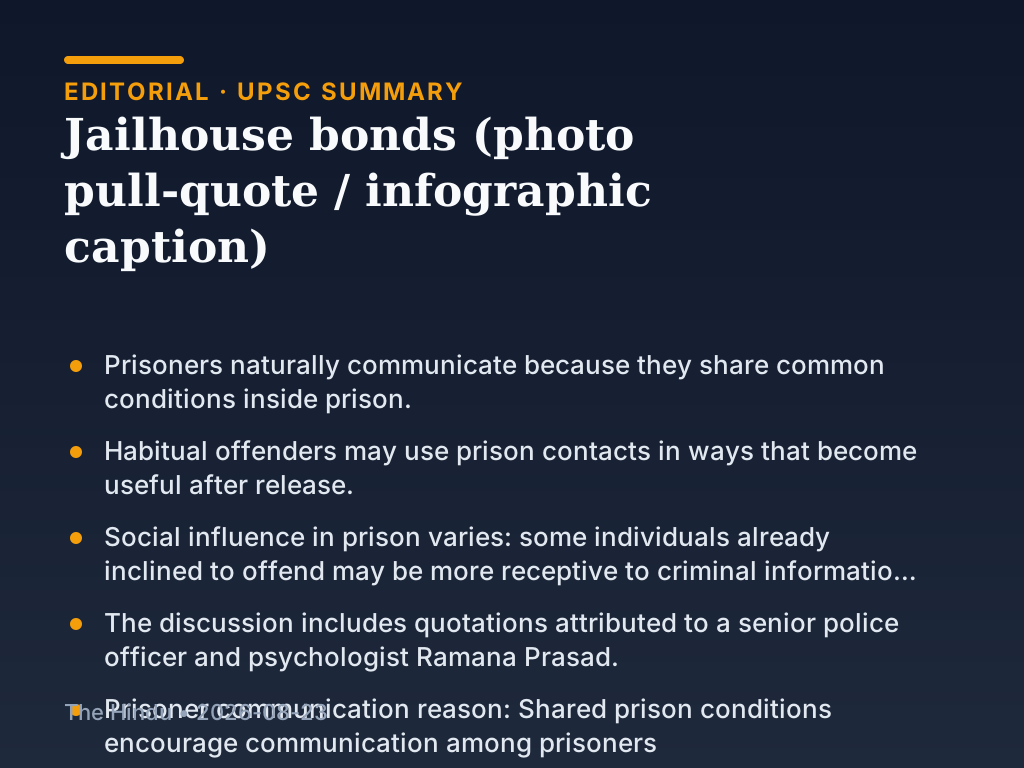
The discussion emphasizes two linked claims about prison life and re-entry into society. First, prisoners communicate because they share the same environment and daily routines. Second, among habitual offenders, communication networks inside prison can become useful for criminal activity after release, instead of supporting rehabilitation.
Background and earlier position (why contact matters)
The core idea is that prison is not only a space of detention; it is also a social environment. In such an environment, criminal information, relationships, and influence can spread through everyday interactions. The influence does not affect all prisoners equally because the response depends on an individual’s existing attitude toward offending and reform.
What changed now (new emphasis in the framing)
The updated emphasis in the framing is not about banning communication alone, but about distinguishing between different types of prisoner receptivity. The discussion highlights variation in social influence: people already inclined to offend may be more receptive to criminal information or relationships, while people trying to reform may react differently. This shifts attention toward targeted rehabilitation and risk-informed prison management rather than uniform treatment of all interactions.
Related current affairs
- NHRC takes suo motu cognizance of reported gang rape of a 16-year-old minor in Greater Noida
- Govt. eyeing inter-State transfer of high-risk prisoners, undertrial gangsters: Delhi CM
- HC questions police as probe into attack on Dalit family changes hands six times
- The inside network
- Partnership in crime, incubated behind bars
- Witness in ex-MP Prajwal rape case alleges threat