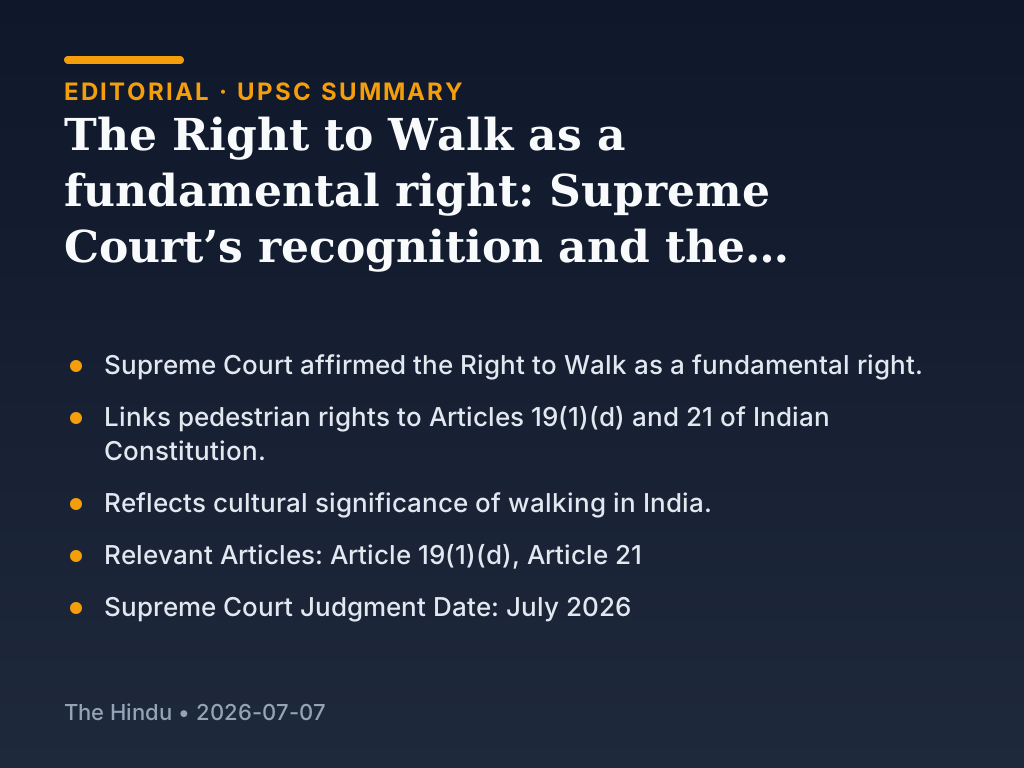
The piece argues that the Supreme Court’s move to treat the Right to Walk on footpaths as a fundamental right is both legally coherent and culturally resonant.
The recognition of the Right to Walk emphasizes safe pedestrian movement and restores basic liberty, linking it to constitutional provisions in Articles 19(1)(d) and 21.
Historically integral to Indian modernity, walking has been a symbol of political movements and cultural identity, as seen in references to Gandhi and Tagore.
Related current affairs
- Right to peaceful protest: SC
- Tax exemption based on marriage, relation; Centre opposes same-sex couple’s petition
- Supreme Court statement says allegations against sitting judge must follow institutional mechanism
- Kerala HC issues norms for detention before formal arrest
- SC notice to Jharkhand on plea on exam irregularities
- THE GIST (SC ruling on ‘industry’)