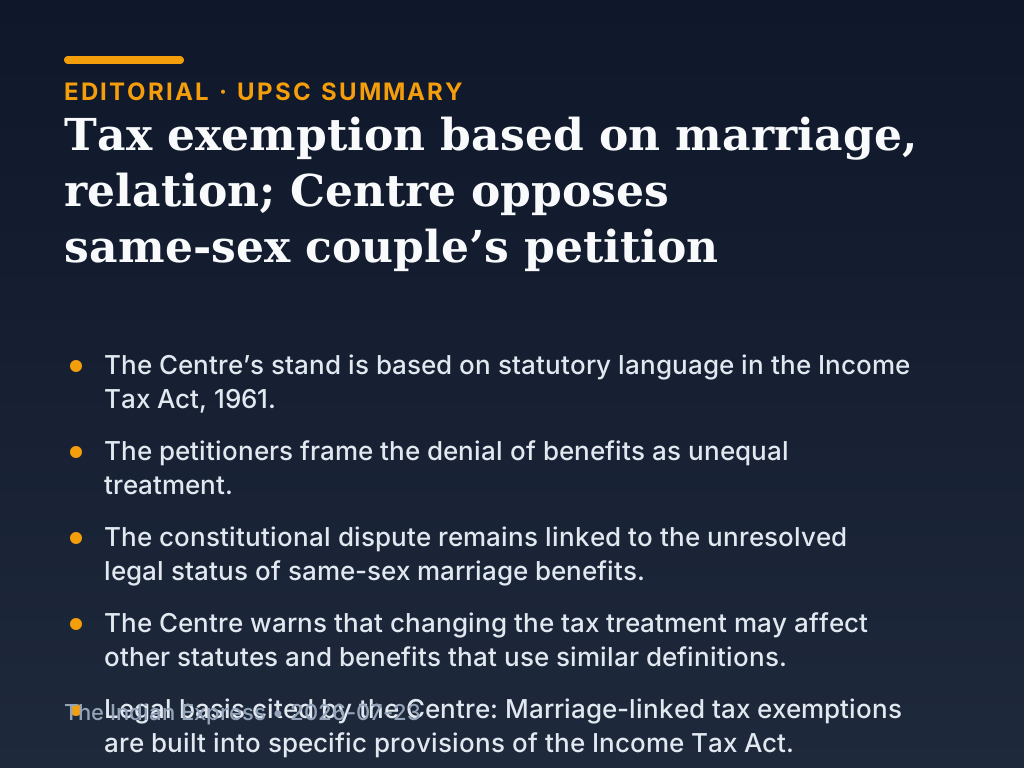
The Centre has told the Supreme Court that tax exemptions linked to a spouse, marriage, or specified family relations cannot be automatically extended to same-sex couples. The government’s position is that these benefits are embedded in the Income Tax Act and reflect a legal framework that currently recognizes marriage in the traditional sense.
The petitioners contend that denial of such exemptions amounts to unequal treatment. Their argument is that same-sex partners should not be penalized for being unable to marry under existing law.
The dispute sits within a wider constitutional context. Earlier Supreme Court proceedings on same-sex marriage did not resolve the question of legal recognition and shifted the debate toward legislative policy rather than immediate judicial extension of marital benefits.
Background and earlier position
The core issue is the relationship between marriage-based tax benefits and the legal recognition of a marital relationship. The Centre argues that extending those benefits would require changes to statutory language and could create complications in other laws and benefits that use similar definitions.
Related current affairs
- Right to peaceful protest: SC
- The Right to Walk as a fundamental right: Supreme Court’s recognition and the cultural idea of walking
- Supreme Court statement says allegations against sitting judge must follow institutional mechanism
- Kerala HC issues norms for detention before formal arrest
- SC notice to Jharkhand on plea on exam irregularities
- THE GIST (SC ruling on ‘industry’)