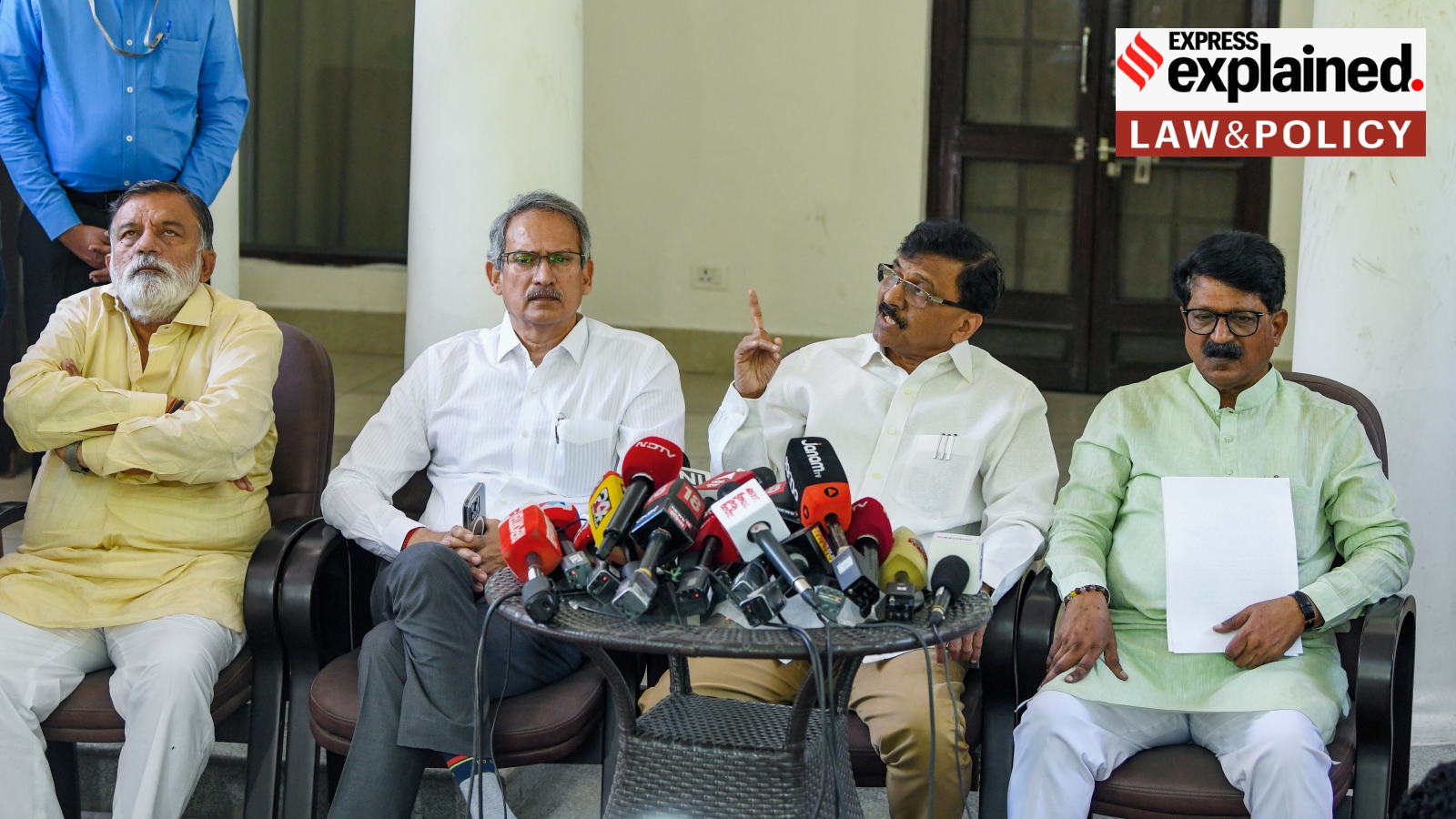
The Supreme Court refused to grant an immediate interim stay on Lok Sabha Speaker Om Birla’s recognition of the merger of six Shiv Sena (UBT) MPs with the faction led by Eknath Shinde. The dispute matters because recognition of a parliamentary merger can affect party strength, legislative alignment, and the working of the anti-defection framework.
The Court said it will hear the challenge after two weeks and sought a response from the Speaker. Shiv Sena (UBT) leader Arvind Sawant has challenged the July 18 circular recognising the merger and has called it unconstitutional, illegal, and perverse.
Background and earlier position
The immediate dispute arises from the split within the Shiv Sena and the contest over which faction represents the party in Parliament. In the current case, the Lok Sabha Speaker’s recognition of a merger is being challenged in court, showing the recurring tension between internal party realignments and constitutional safeguards against defection.
Why the issue matters for UPSC
The dispute is relevant to GS2 because it links Parliament, the Speaker’s authority, party discipline, and judicial review. The case can help revise the anti-defection framework, especially the constitutional and procedural questions that arise when elected representatives shift allegiance or when a faction claims continuity of the original party.
Related current affairs
- SC seeks Lok Sabha Speaker’s response on merger of Shiv Sena (UBT) MPs
- SC to consider urgent hearing of Sena (UBT) plea
- Birla approves six Sena (UBT) MPs’ merger with Shiv Sena
- Speaker okays merger of 6 Shiv Sena (UBT) MPs
- Sena (UBT) moves SC against MPs’ merger
- Speaker clears merger of six Sena UBT MPs with Shinde Sena, separate seating for TMC rebels