What happened
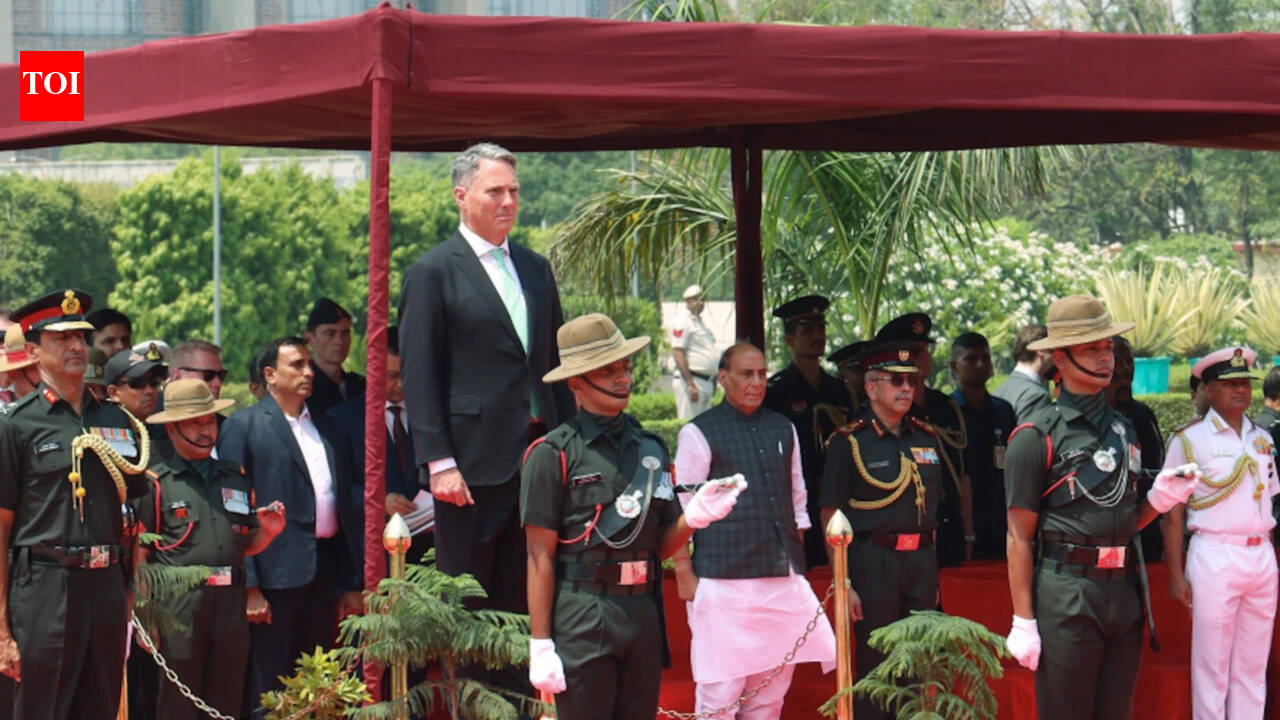
India and Australia adopted a Joint Declaration on Defence and Security Cooperation to expand military engagement in the Indo-Pacific. The declaration was agreed during Prime Minister Narendra Modi’s meeting with Australia’s Prime Minister Anthony Albanese and is meant to deepen strategic consultations, improve armed forces interoperability, and broaden defence-related collaboration.
Earlier position and continuity
The declaration builds on earlier India–Australia security cooperation, including the 2009 Joint Declaration. It also uses existing mechanisms such as the Foreign Ministers’ Framework Dialogue and the 2+2 Foreign and Defence Ministerial Dialogue. The two sides have already worked within broader regional platforms such as the Indian Ocean Rim Association (IORA), ASEAN-led regional architecture, and the Pacific Islands Forum.
What changed now
The new package moves cooperation from broad political understanding to more operational defence coordination. It covers regular discussions on Indo-Pacific defence developments, more complex and frequent exercises, greater air deployments from each other’s territories, personnel exchanges, defence science and technology, industrial supply chains, and joint recruitment for defence workforces.
Related current affairs
- Explained: Quad going has fierce competition with India and China (as framed on page)
- Jaishankar to meet Quad counterparts in Manila on sidelines of ASEAN meet
- Quad sidelined of ASEAN meet: Jaishankar to meet counterparts in Manila
- Third India-Australia Annual Summit: Joint Statement on Defence, Economic Security, Energy, Technology, and Indo-Pacific Cooperation
- Unimpeded trade needs IPMDA as the answer
- India, Japan sign maritime security pact to deepen defence cooperation