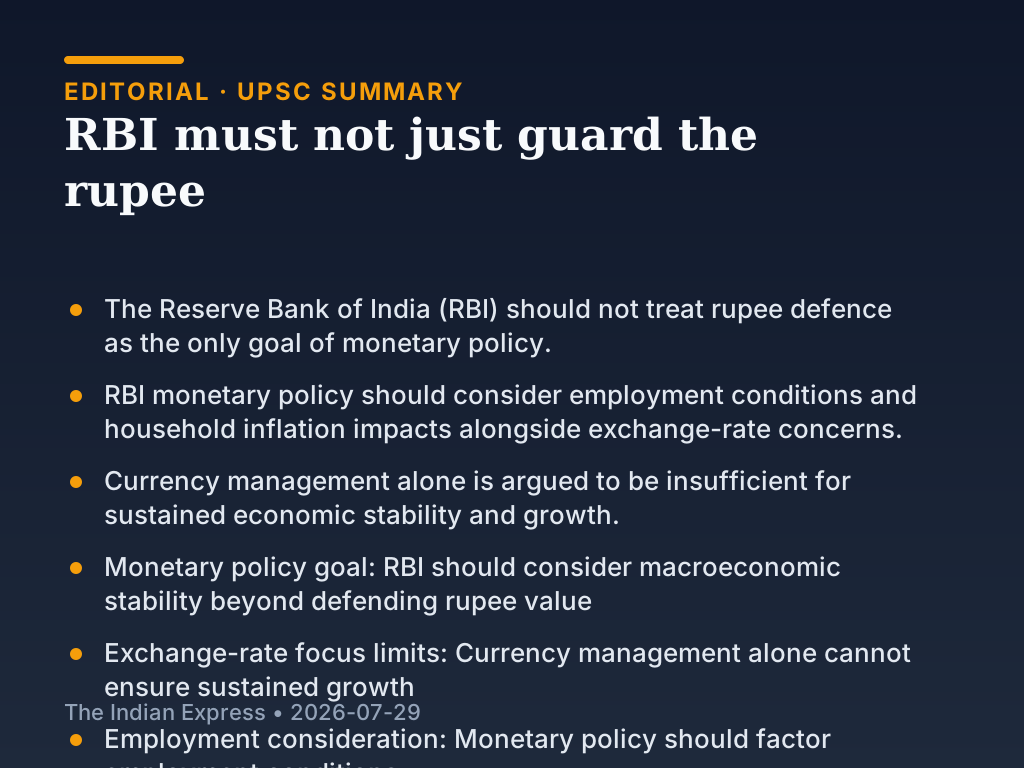
What the argument says: RBI should use monetary policy for broader stability and welfare
The Reserve Bank of India (RBI) should not define its monetary policy role only as defending the rupee’s value. The argument is that monetary policy must also consider domestic economic stability goals such as employment outcomes and the impact of inflation on households.
Background and earlier emphasis: exchange-rate concerns often dominate
In India’s macroeconomic policy debate, exchange-rate concerns frequently become central because exchange-rate movements can affect imported prices and financial conditions. At the same time, monetary policy affects the domestic economy through interest rates, credit conditions, and demand, which then shape inflation and employment outcomes.
What the focus changes: household inflation, employment, and macroeconomic stability
The argument shifts the priority in monetary policy evaluation. The RBI should balance exchange-rate concerns with domestic outcomes, instead of treating currency defence as the sole objective for achieving sustained growth. The focus includes household inflation impacts, employment outcomes, and overall macroeconomic stability.
Related current affairs
- Prime Minister highlights transformative impact of Jan Dhan Yojana
- RBI says $72.85 bn forex inflows via FCNR(B), OFCB, ECB under swap facility
- RBI proposes new framework for interest-rate risk/controls (RCB—interest-rate framework)
- RBIs interest-rate framework—key elements (summary box)
- Baking: Can banks lock phone for loan default? What RBI’s new rules say
- dovish RBI core inflation views; 89% of CPI items see higher prices in June vs May (chart/summary)