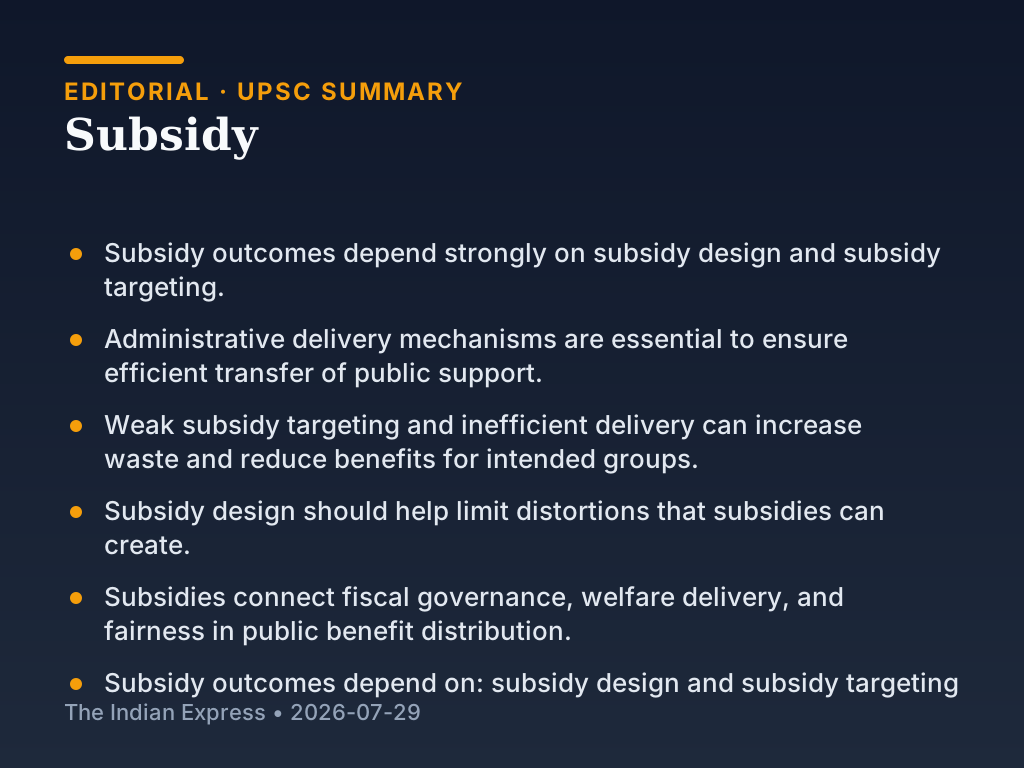
What happened: subsidy policy is explained as design-and-delivery governance
Subsidy policy performance depends on subsidy design and subsidy targeting embedded in administrative delivery mechanisms. Public support should reach intended groups efficiently, while fiscal waste and economic distortions are limited.
Background and earlier position: subsidies face targeting trade-offs
Many subsidy programmes face a trade-off between coverage and leakage. When targeting is weak, benefits can flow to ineligible groups. When delivery is inefficient, delays and errors reduce benefits for eligible households.
What changed now: emphasis on efficiency, reach, and controlling distortions
The focus in subsidy governance shifts to subsidy outcomes shaped by targeting quality and delivery efficiency. Better subsidy design aims to reduce waste and also manage unintended price and incentive effects created by subsidies.
Related current affairs
- Taxing ‘frivolous’ industries will not fund India’s science
- Ladki Bahin scheme lesson: Maharashtra govt tightens screening before farm loan waiver rollout
- Sikimkin
- H.C: Officials should personally pay for illegal payment of public projects
- Are loans to blame? (continued)
- Apportioning national power in the era of shrinking Railways