What happened
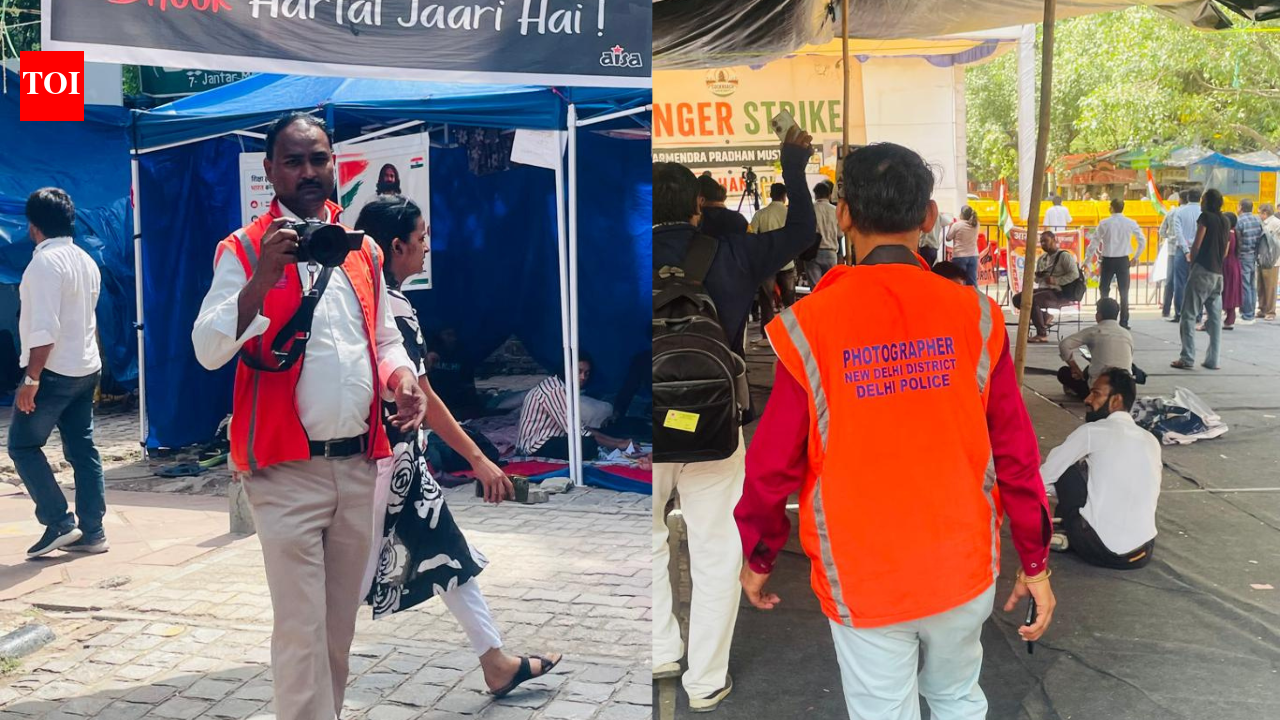
Volunteers at Jantar Mantar tried to keep a protest peaceful after clashes between police and protesters. They formed human chains, screened entrants, guided women, children, and older people, and watched for plainclothes police or other disruptive elements.
Protesters said the earlier baton charge had created anxiety. Some protesters also alleged that some police officers did not have name badges, which increased distrust at the site.
Once inside the protest area, the atmosphere was calmer. Langar was distributed, medical aid was available, and volunteers cleaned up garbage.
Background and earlier position
Jantar Mantar in New Delhi is a familiar site for demonstrations and has often been associated with protest management issues, crowd control, and police oversight. The protest continued after the death of a NEET aspirant in Rajasthan, and supporters said the movement stayed alive because of discipline and continued participation from people across locations.
Related current affairs
- ‘Will come back to meet my fellow supporters’ tears, lathes, reels mark end of Jantar Mantar stir
- All roads continue to lead to Jantar Mantar
- From Jantar Mantar to near Parliament: CJP protest march that took on a life of its own
- Many detained return to Jantar Mantar straight from police stations
- Police say two ACPs injured in clashes; FIR registered
- Jantar Mantar packed, fresh clashes at Tolstoy Marg