What happened
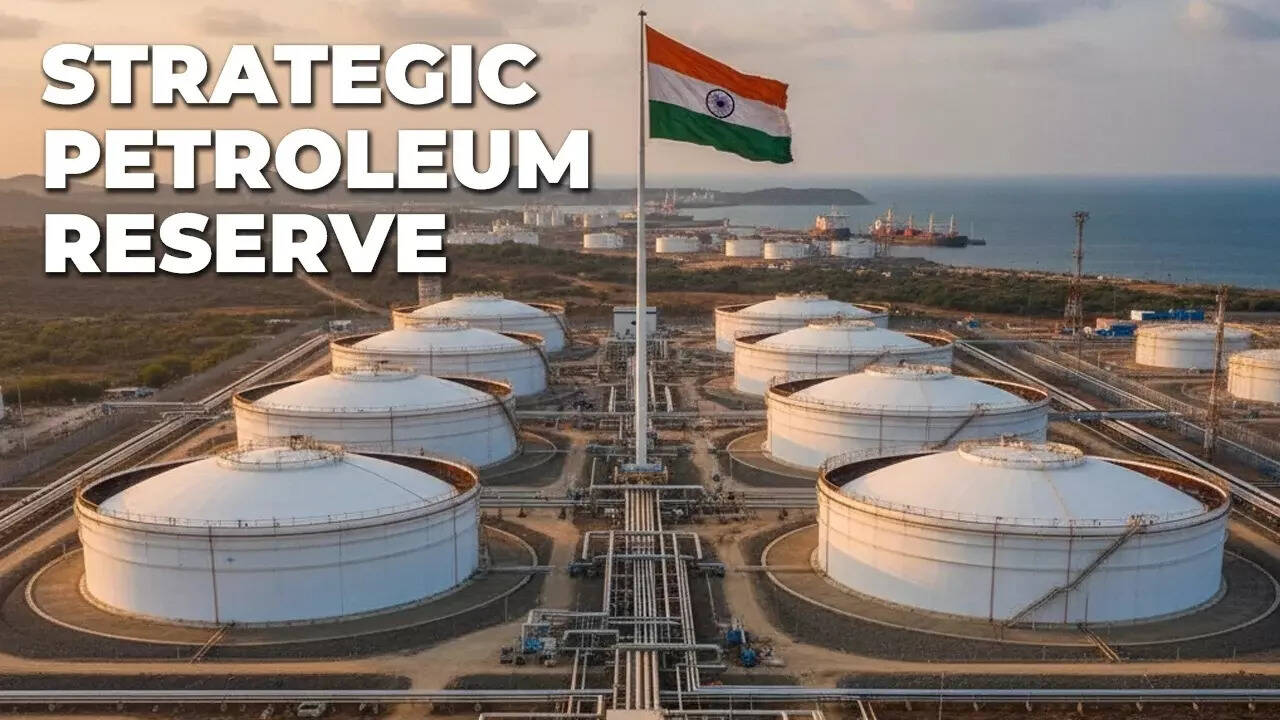
India’s government plans a second phase of strategic petroleum reserves through a public-private partnership. The project is estimated at ₹14,527 crore, and the government says state viability gap funding will be capped at 60% of the total project cost.
Why the topic matters
Strategic petroleum reserves are a core energy-security instrument because they help a country cushion supply shocks in crude oil imports. The financing model also matters for UPSC because public-private partnership design and viability gap funding are recurring themes in infrastructure policy.
Background and earlier position
Strategic petroleum reserves are underground or above-ground stockpiles of crude oil maintained for emergency use. India already uses strategic reserves as part of its energy-security planning, and a second phase indicates expansion of storage capacity beyond the earlier phase.
Related current affairs
- India improvising on the fly as Strait of Hormuz waters remain still
- For energy security, way forward is not public or private, but both
- Key Policy Measures Announced in 2026 Supporting Manufacturing, Energy Security, Trade/Investment, and Agriculture
- New LPG connections still on hold amid West Asia tensions
- Better learning, better outcomes: an AI tutor for every child in India
- India Hosts Eighth BRICS Youth Energy Summit 2026 under BRICS Chairship