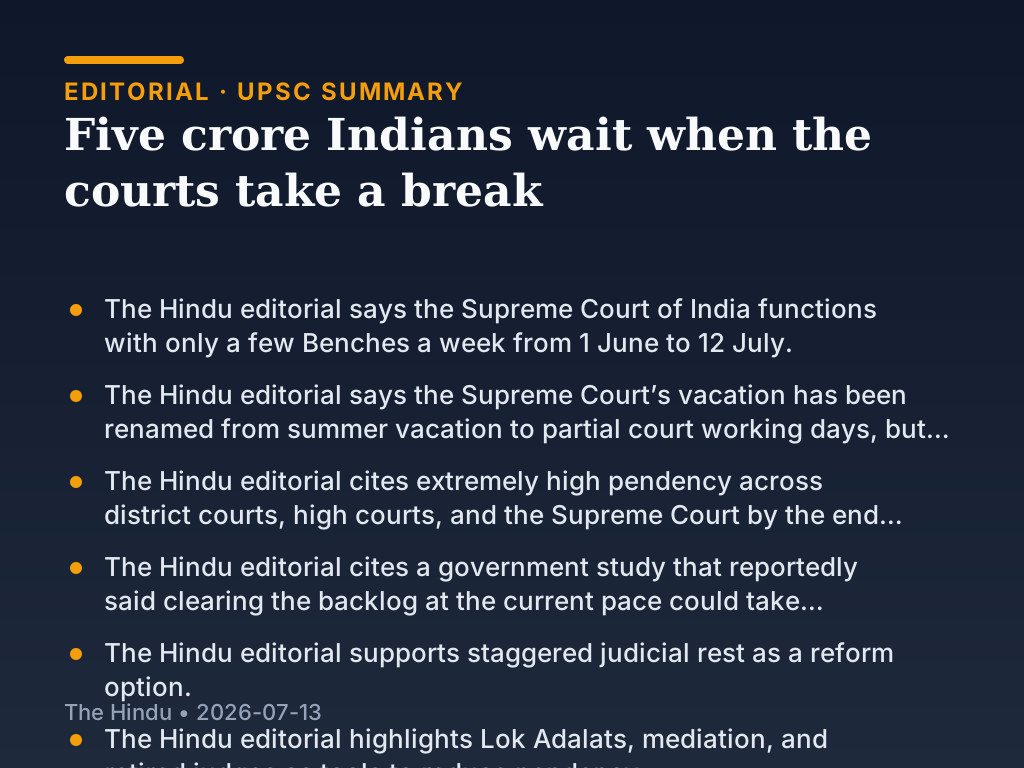
The Supreme Court of India’s long summer recess and staggered vacation bench system have come under criticism for keeping litigants waiting and slowing relief in urgent matters. The long break links directly to judicial pendency, undertrial detention, and access to justice.
From 1 June to 12 July, the Supreme Court of India sits with only a few Benches each week before normal operations resume. Urgent matters can still be heard, but the Court functions at a reduced pace for a long stretch.
The renaming of the vacation period as “partial court working days” has not altered the practical number of sitting days. The Supreme Court of India still operates with a much lighter schedule during the vacation period.
Background and earlier position
The present vacation structure is described as a colonial-era legacy that suited judges’ convenience more than India’s justice demand. When many judges rest together, the justice system slows down even while pending cases remain high.
Related current affairs
- 165th Report of Department-related Parliamentary Standing Committee on Personnel, Public Grievances, Law and Justice on strengthening Alternative Dispute Resolution (ADR) ecosystem
- SC considers SOP to hear urgent life and liberty cases after work hours
- SC pulls up Maharashtra govt. over ‘disturbing’ delays in criminal trials
- Why was Acting CJ of Rajasthan HC not shifted, judge asks CJI
- SC asks Centre to consider plea for reduction in NEET-SS cut-off
- CJI-led Bench lauds scrapped MGNREGA as a ‘good scheme’