What happened
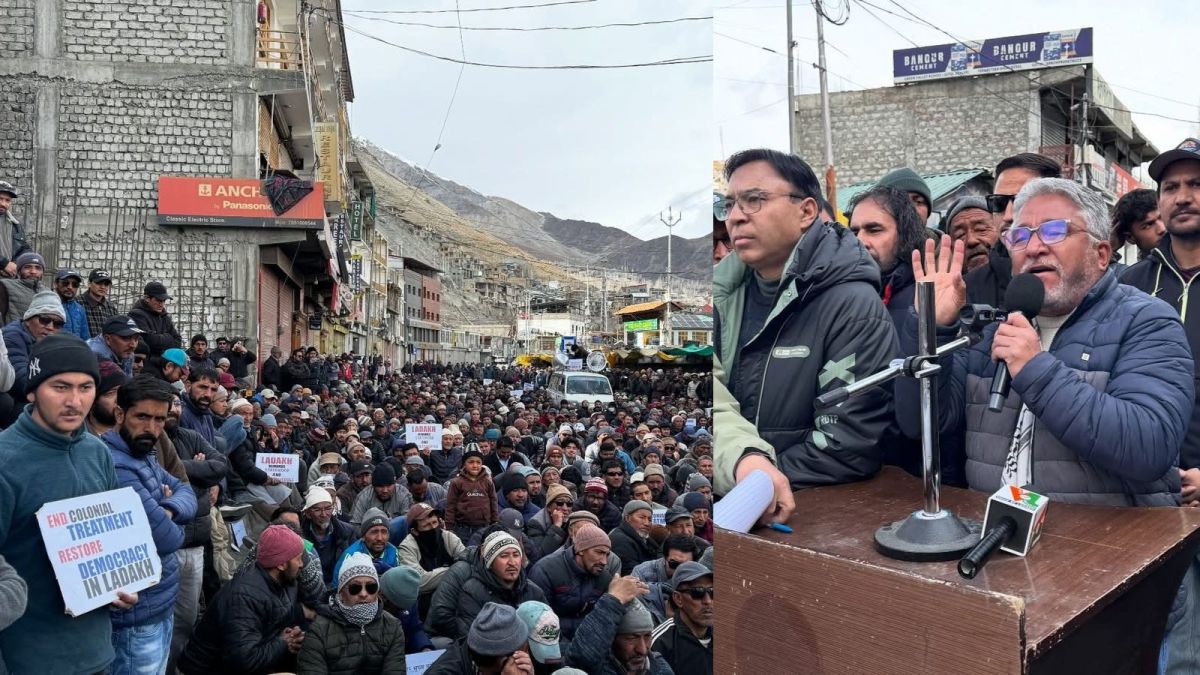
Sonam Wangchuk’s hunger strike has opened a window for talks in Ladakh, even as the region continues to face unrest over political status and local grievances. The Centre is reported to be stepping up efforts to calm the situation through engagement rather than punishment.
Union ministers met Sonam Wangchuk, after which activist and hospital staff said he asked students to pause protests if the assurances given to them are honoured. The government is not seeking legal action against protesters at this stage, and compensation for the families of those killed is being discussed.
Background and earlier position
The Ladakh agitation has revolved around demands for statehood, Sixth Schedule protections, and safeguards for local identity and land-related concerns. Sonam Wangchuk has argued that the people of Ladakh are seeking democratic safeguards and constitutional protection, not a separatist agenda.
The broader dispute reflects the tension between administrative control and demands for local self-government in a strategically sensitive region. The current protest cycle has therefore become a test of how the Union government addresses political aspirations within the framework of the Constitution.
Related current affairs
- Hunger strike day 21: Police shift Wangchuk to hospital
- Wangchuk gone, spotlight moves to Dipke
- How Sonam Wangchuk's father broke his 1984 fast after Indira met him
- Wife says activist’s decision to join CJP protest was organic
- Khera visits Wangchuk, slams Centre on Ladakh issue
- How Wangchuk mobilised a stir that took on a life of its own