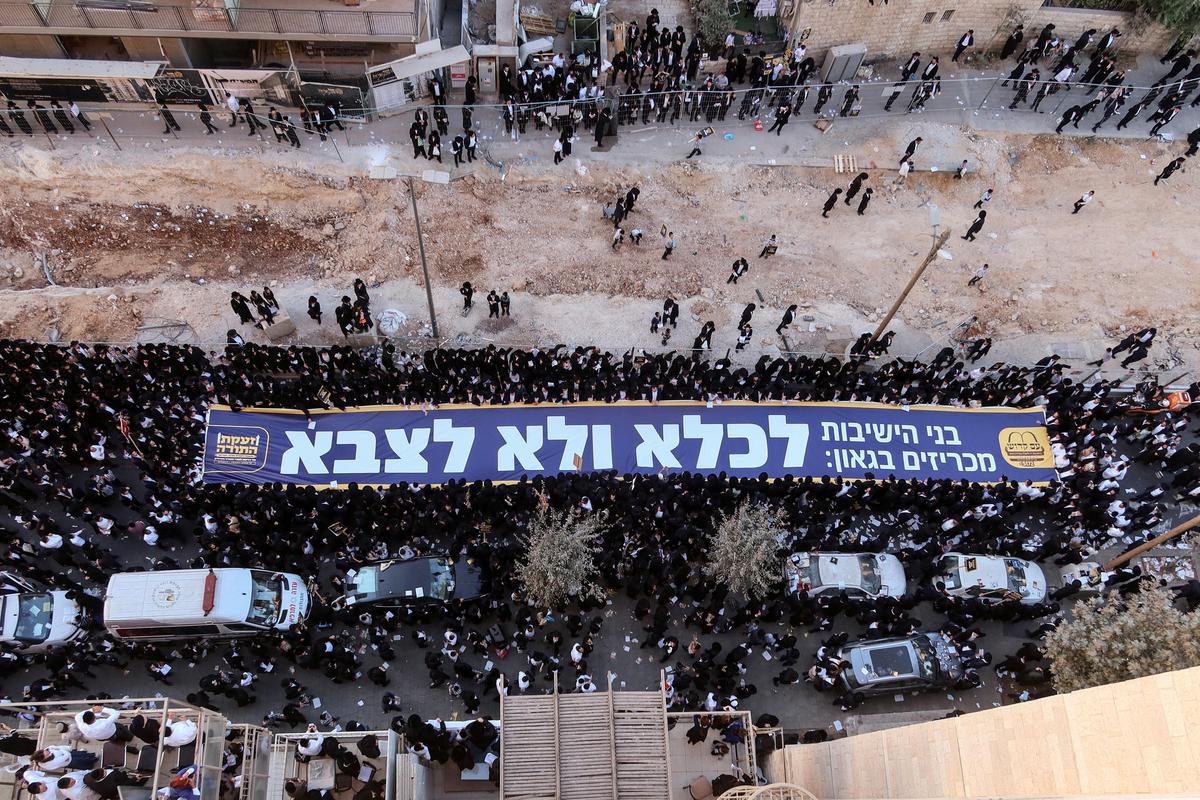
Israel’s debate over military conscription exemptions for ultra-Orthodox Jews has become a major political and social issue. The dispute matters because it sits at the intersection of national security, equality before the law, coalition politics, and social cohesion.
What happened now
The conscription question has become more urgent amid war and security pressure. Secular Israelis have increasingly argued that a growing exemption regime is unfair and unsustainable, while ultra-Orthodox communities continue to defend broad exemption from compulsory military service in favour of religious study.
Background and earlier position
The ultra-Orthodox, also called Haredi Jews, traditionally prioritize full-time religious study. Israel’s exemption arrangement has long reflected a political compromise, but the compromise has become harder to defend as military manpower needs have risen and public expectations of equal service have strengthened.
What changed now
Related current affairs
- Draft exemption for ultra-Orthodox Jews: Long-running debate dividing Israel
- Hind Rajab’s family says Israel’s probe attempt to ‘justify’ killing
- Regional parties, hurdles
- EXPLAINED: The JDU’s request to consider liquor ban—how it connects to constituencies and lawmaking
- Counting best bets: Congress presses for early talks with Samajwadi Party
- Problem is not Sanatan Dharma. It's what politics has done to it