What happened
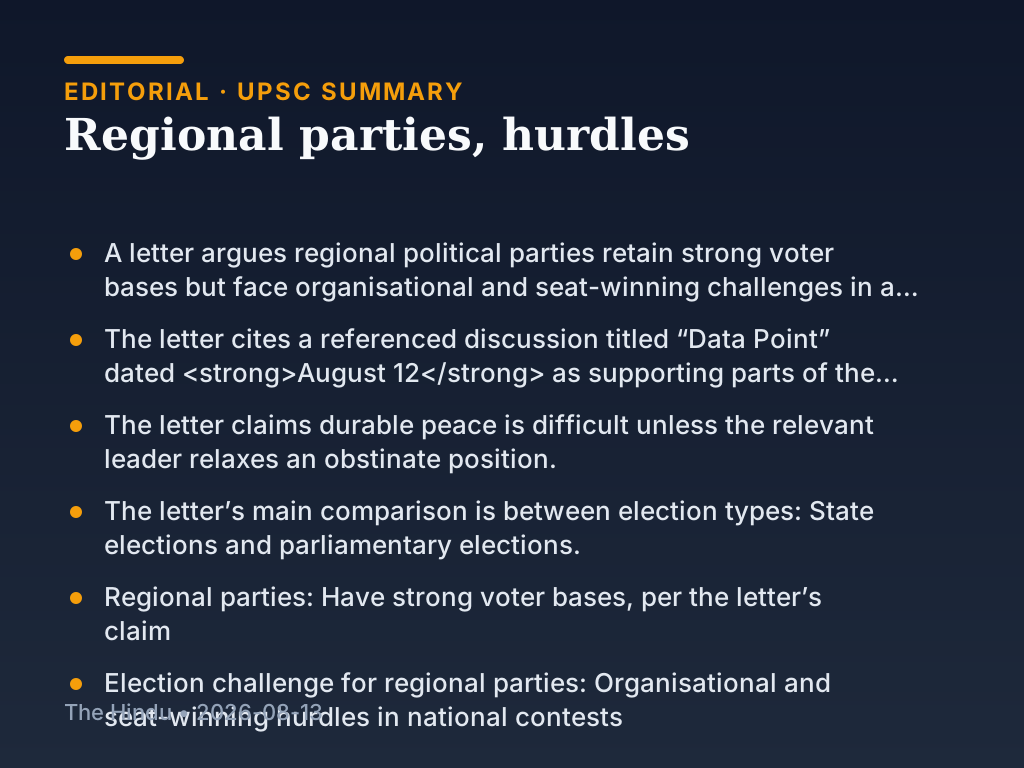
A letter discusses the performance and strategy of regional political parties in India’s electoral system. The letter argues that regional parties still retain strong voter bases, but they face organisational weaknesses and seat-winning challenges in a national political environment shaped by dominant-leader stances and coalition dynamics.
The letter links its argument to a prior discussion referenced as “Data Point” dated August 12. The letter-writer says the “Data Point” supports parts of the argument about how regional parties behave differently across State Assembly elections and parliamentary elections. The letter also claims that durable peace and stability may remain difficult unless the relevant leader eases an obstinate position (the letter frames this as a condition for durable peace).
Background and earlier position
The core analytical frame in the letter is a comparison between regional parties’ voter strength and their electoral conversion into seats. The letter implies that having a stable voter base does not guarantee strong seat outcomes, especially when election incentives and bargaining power increasingly depend on national alliances and the stance of a dominant leader or coalition actors.
The letter’s comparative element is electoral geography and election type: regional party behaviour is said to differ across State elections and parliamentary elections. The letter uses the “Data Point” reference dated August 12 to claim empirical support for these differing patterns.
Related current affairs
- EXPLAINED: The JDU’s request to consider liquor ban—how it connects to constituencies and lawmaking
- Counting best bets: Congress presses for early talks with Samajwadi Party
- 3 NCPI lawmakers skip NDA meet in Delhi, refuse to join BJP-led alliance
- राजगठबंधन: रविवार को हराणे? (कवर थीम/स्लोगन)
- ’Satlui’ shifts the binary, cuts across divides
- Draft exemption for ultra-Orthodox Jews: Long-running debate dividing Israel