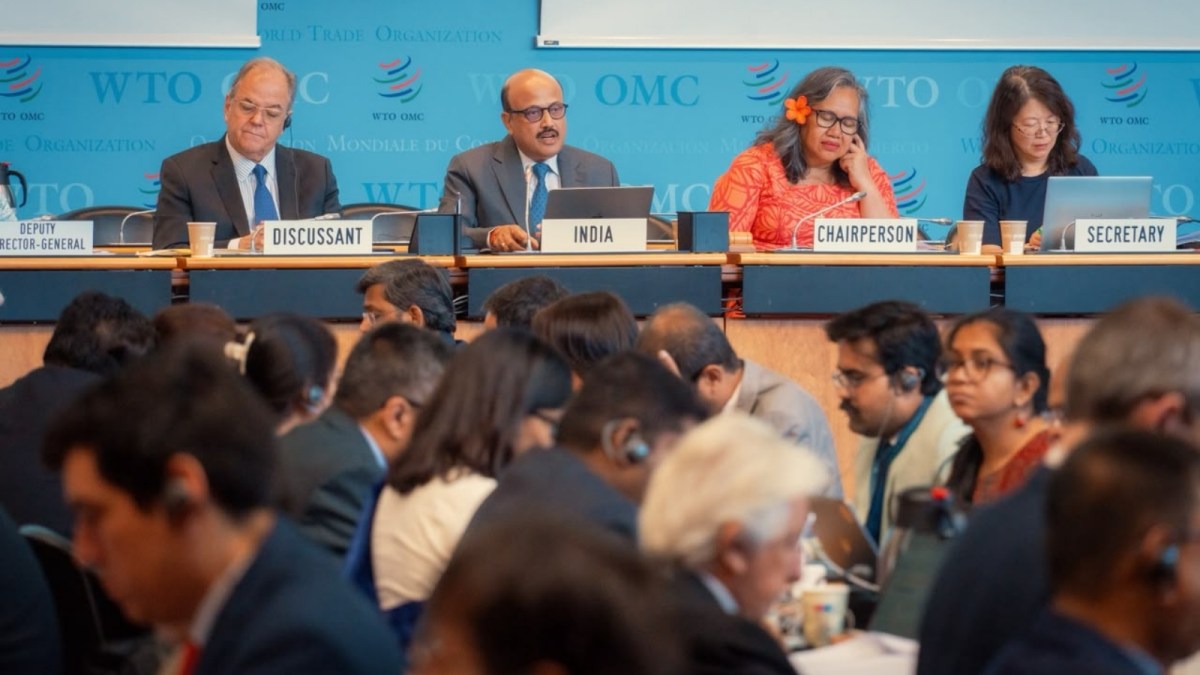
India and several major World Trade Organization members are divided over the place of plurilateral agreements inside the World Trade Organization framework. The issue matters because it goes to the core of how global trade rules are made: by full consensus among all members, or by smaller coalitions of willing members.
What happened now
India has argued that plurilateral deals could allow a few large economies to impose obligations on others and weaken consensus-based multilateral rule-making. Supporters of plurilateralism argue that such agreements can help the World Trade Organization move forward on difficult subjects when the entire membership cannot agree.
Background and earlier position
The current dispute is tied to broader negotiations on digital trade, investment, and e-commerce. India wants clearer safeguards before accepting any arrangement that brings plurilateral agreements into force within the World Trade Organization system.
Why it matters for UPSC
Related current affairs
- U.S. pauses 50% tariffs on Canadian goods for 3 days
- US says interim trade deal almost ready as Taiwan meets Rubio
- India begins 8th WTO Trade Policy Review in Geneva; reaffirms commitment to rules-based multilateral trading system
- Global wars delaying FTA negotiations
- India joins WTO’s agreement on fisheries subsidies
- India becomes a Party to the WTO Agreement on Fisheries Subsidies