Amrit Kaal of Cultural Renaissance: Uttar Pradesh’s faith, heritage and eco-tourism push
Uttar Pradesh is presenting tourism, pilgrimage and heritage development as part of a broader cultural-renaissance strategy during the Amrit Kaal period.
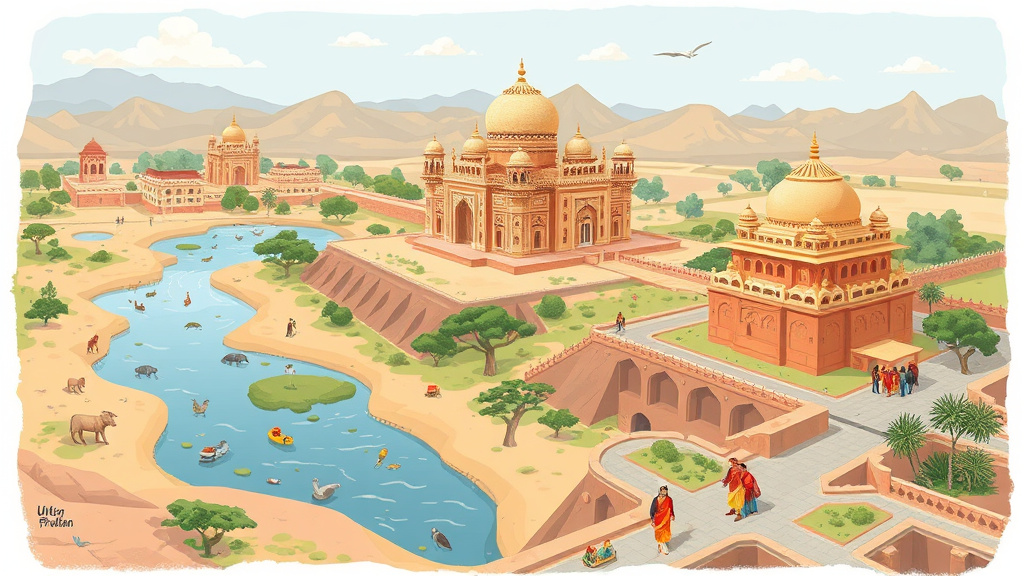 AI generated
- Uttar Pradesh is presenting tourism as a policy instrument for cultural preservation, visitor growth and livelihood generation.
- The feature names Kashi, Ayodhya, Vindhyachal, Chitrakoot, Shuk Teerth, Naimisharanya, Mathura and Sambhal as pilgrimage and cultural destinations.
- The feature cites the Shri Kashi Vishwanath Dham Corridor as an example of cultural and pilgrimage infrastructure development.
- The feature cites the Shri Ram Janmabhoomi Temple as a landmark of the tourism and cultural renewal narrative.
What happened
Uttar Pradesh is presenting a state-led tourism strategy under the idea of an "Amrit Kaal" cultural renaissance. The feature links faith, heritage, wildlife and eco-tourism with better infrastructure, visitor amenities and conservation, and claims that tourism growth can strengthen culture, livelihoods and the state's civilisational image.
The feature highlights pilgrimage corridors, heritage destinations, improved access, visitor management and nature-based tourism. It also says the state leads in domestic tourist arrivals and ranks highly in national tourist indicators, while citing strong growth in domestic and foreign visits.
UPSC can frame Uttar Pradesh’s tourism push as a case study in balancing heritage conservation, pilgrimage management, eco-tourism and local livelihoods. The issue connects cultural preservation with infrastructure, sustainability and inclusive growth, which are recurring themes in GS1, GS2 and GS3.
Related dispatches