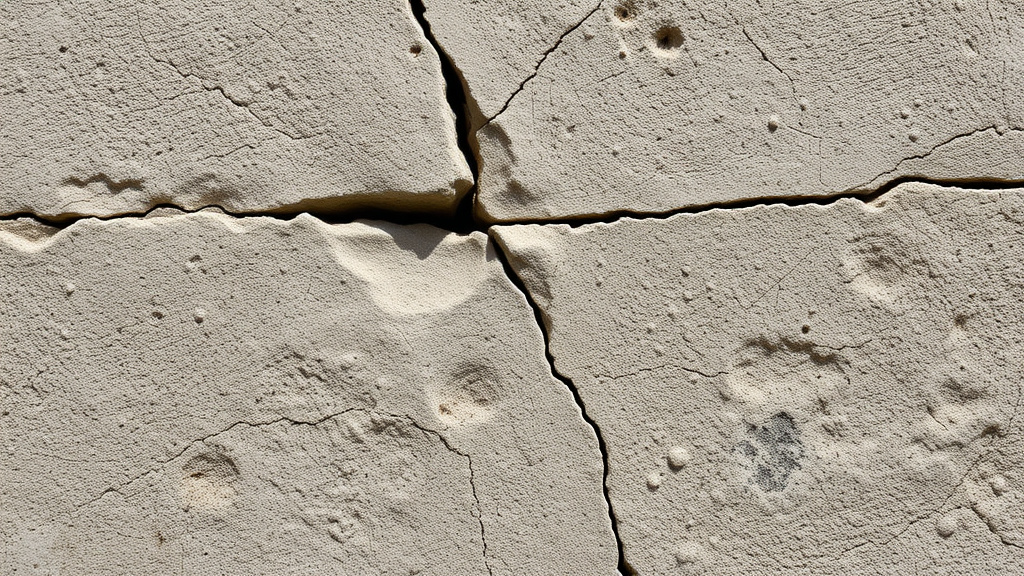
A snapshot reports a study of ancient Roman concrete samples from Hadrian’s Villa in Italy. The reported finding is that Roman concrete can gain strength over long periods because lime in the mixture reacts gradually with moisture and carbon dioxide from the air, forming calcite cement.
The calcite reportedly fills cracks and pores, reinforcing the structure. The snapshot also contrasts this with modern concrete, which can degrade within decades, and says the process turns carbon dioxide into solid mineral rock, making Roman concrete a long-term carbon sink.