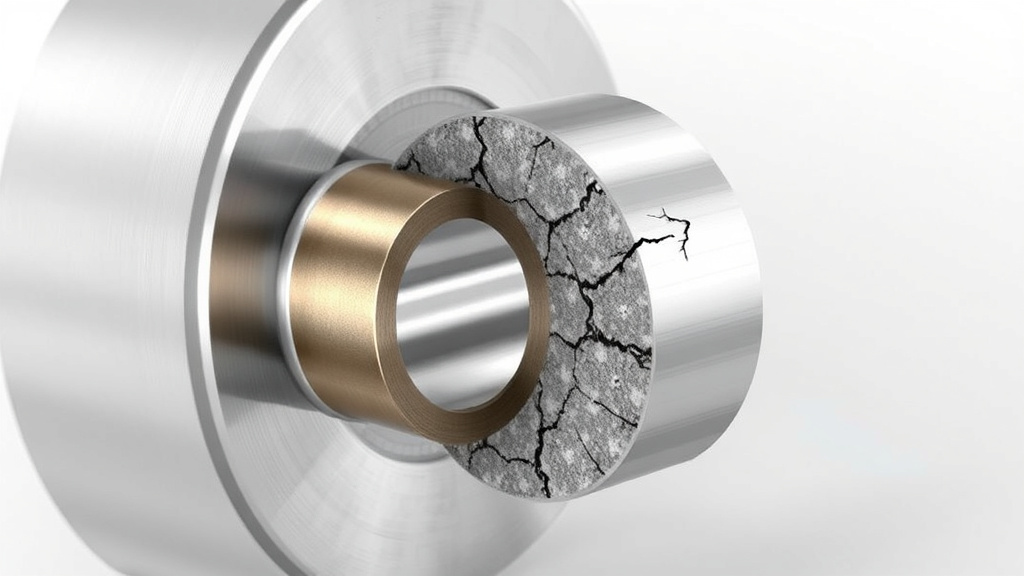
A crack-free bi-metallic structure developed by researchers using a technique called laser-based powder bed fusion (PBF-LB/M) additive manufacturing can help in reducing the overall use of expensive superalloys thereby reducing the import dependency.
Stainless steels and nickel-based super alloys are widely used in aerospace, nuclear, as well as thermal power plants.
Certain regions of a gas turbine may experience temperatures as high as 2000°C, while adjacent sections are exposed to lower temperatures during service conditions.
Combining stainless steel (good toughness and corrosion resistance) with nickel-based superalloys (excellent high-temperature strength and creep resistance) in a single component is technologically attractive.
Conventional welding of Stainless steel (SS316L) and Inconel superalloy (IN718) is challenging due to differences in chemical composition, melting temperatures, and thermal expansion coefficients.
Related current affairs
- The materials and methods that made the Vikram-1 launch unique
- Roman concrete lasts so long thanks to self-healing
- DRDO conducts successful flight-test of Pinaka Long Range Guided Rocket
- Centre orders blocking of battery management apps
- CG SEMI (OSAT) facility in Sanand begins commercial production; India enters a new era in semiconductors (as per Ashwini Vaishnaw)
- PM inaugurates CG Semi OSAT semiconductor assembly and test facility in Sanand, Gujarat