What happened
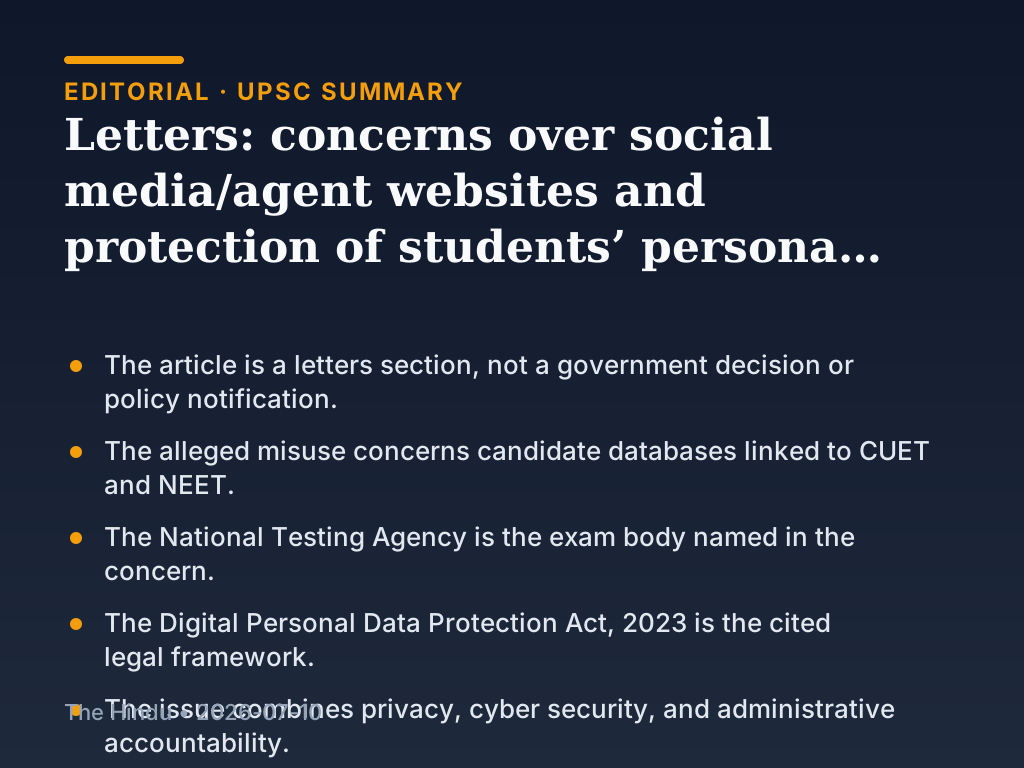
The letters section raises allegations that websites and other digital platforms linked to the circulation or sale of candidate databases for CUET and NEET may be violating privacy and lawful standards. The concern is that such data can be misused for fraud, identity theft, and exploitation by coaching institutes and admission agents.
The writers ask the authorities, including the National Testing Agency and the government, to investigate such websites and impose stringent penalties. They also argue that personal data collected for examinations should not be commercialised without clear consent.
Background and earlier position
Public examinations in India increasingly depend on digital registration, document upload, counselling interfaces, and result access. This creates administrative efficiency, but it also expands the volume of personal data handled by exam authorities and their vendors.
The relevant legal framework now cited in the letter is the Digital Personal Data Protection (DPDP) Act, which is meant to regulate the processing of digital personal data and strengthen consent-based handling.
Related current affairs
- Better learning, better outcomes: an AI tutor for every child in India
- 13,433 UG seats still vacant, DU offers spot admissions
- Iran calls for release of pilots held in Qatar during the West Asia war
- Briefly: Ugandan politician in race to become next UN secretary-general
- NTAs NEET director said he flagged foreign trafficking of students: CBI probe
- NTA’s NEET director said he flagged foreign trial for-treatment petitions; CBI probe