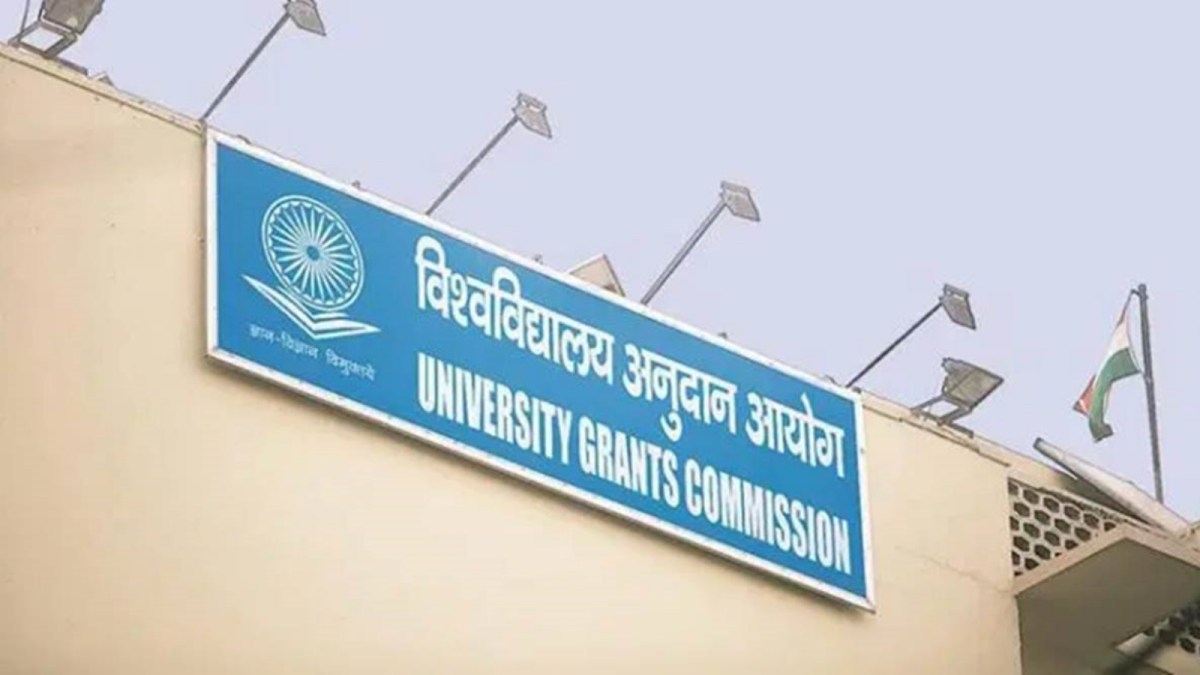
The proposed Viksit Bharat Shiksha Adhishthan (VBSA) Bill has triggered a federalism debate in higher education. NDA-ruled States, universities and institutes say the Bill could centralise regulation by replacing the existing statutory framework for University Grants Commission (UGC), All India Council for Technical Education (AICTE) and National Council for Teacher Education (NCTE) with a single apex regulator.
The debate is important because it concerns three linked issues: who regulates degrees, how far the Union can direct a national regulator, and what role States retain in higher-education governance. The Bill is under review by a joint parliamentary committee.
What the article says
Submissions to the committee argue that the Bill expands Union power over degree-related decisions and does not provide adequate State representation in the proposed regulatory structure. States including Andhra Pradesh, Madhya Pradesh and Meghalaya asked for safeguards such as mandatory consultation and clearer division of responsibility.
Andhra Pradesh said some provisions could dilute State legislative authority over higher education. It also objected to clauses that may allow the regulatory council to bypass State universities for granting degrees, calling this a source of constitutional friction. The State sought an explicit protection against Union action that harms the autonomy and governance of State universities and institutes.
Madhya Pradesh objected to what it described as limited State representation in the regulatory council. Meghalaya proposed a more explicit division of functions: the Union should handle coordination, standards, accreditation and quality assurance, while States should retain control over establishment, governance, administration, staffing, financing and day-to-day functioning of State universities.
Related current affairs
- Universities call for clear framework for disbursal of grants under VBSA Bill
- IITs and IIMs push back against VBSA norms / Viksit Bharat Shiksha Adhishthan Bill, 2025
- Panels examining Bill for removal of Ministers and VBSA Bill defer meeting
- Centre yields to Andhra Pradesh govt.’s demands, to modify higher education Bill
- Four higher education Bills passed by A.P. Assembly
- Return whatever was taken away from J&K, says Omar Abdullah