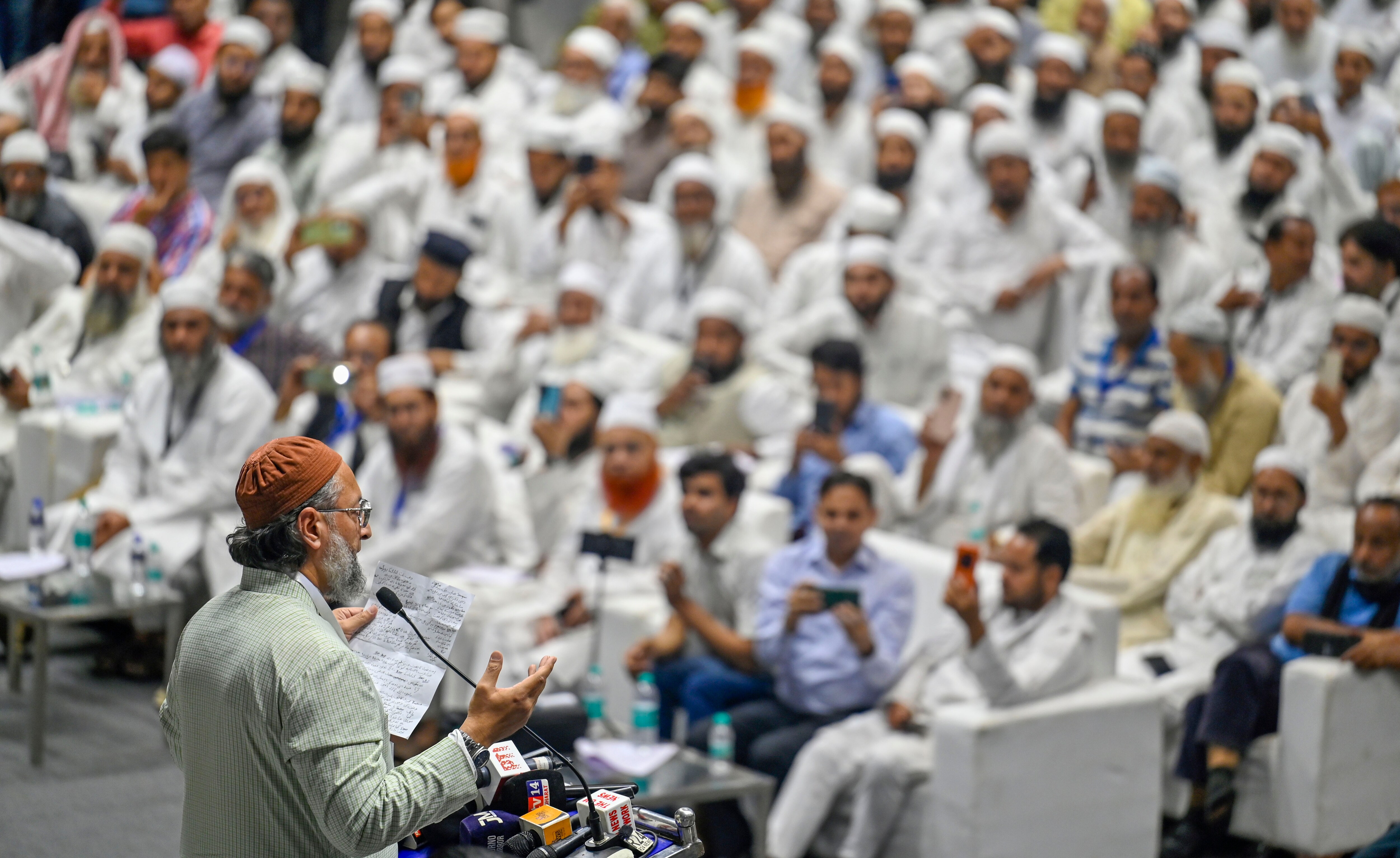
Kerala’s Waqf Board controversy has become a test case for the implementation of the Waqf (Amendment) Act, 2025. The immediate dispute is over the Congress-led United Democratic Front government’s decision to reconstitute the board, even as challenges to the amendment remain pending before the Supreme Court.
Opposition leader Pinarayi Vijayan said the Left had earlier opposed the amendment and had kept two of the 11 board positions vacant. He argued that the amended law requires two non-Muslim members on the board and claimed that the change was meant to insert non-Muslims into a primarily Muslim religious institution.
The controversy is relevant for UPSC because it connects statutory design, minority religious institutions, and judicial review. The issue also shows how a state government may face political pressure while dealing with a central amendment that affects the composition and functioning of a statutory board.
Background and earlier position
Waqf institutions are religious endowments governed by statutory rules. In the Kerala case, the earlier position was that the Left had opposed the amendment and did not fill all the board vacancies, while the present controversy arose after the UDF decided to move ahead with reconstitution under the amended law.
What changed now
Related current affairs
- Jharkhand finance minister to move Supreme Court against amended MMDR Act
- Pinarayi accuses UDF govt. of yielding to BJP, RSS on Waqf law
- LDF members lock horns over Dy. Leader of Opposition post
- Kerala CM denies seeking removal of social media posts
- Row in Kerala over pension delivery
- CM Orders Fresh probe into RMG Kar raps probe