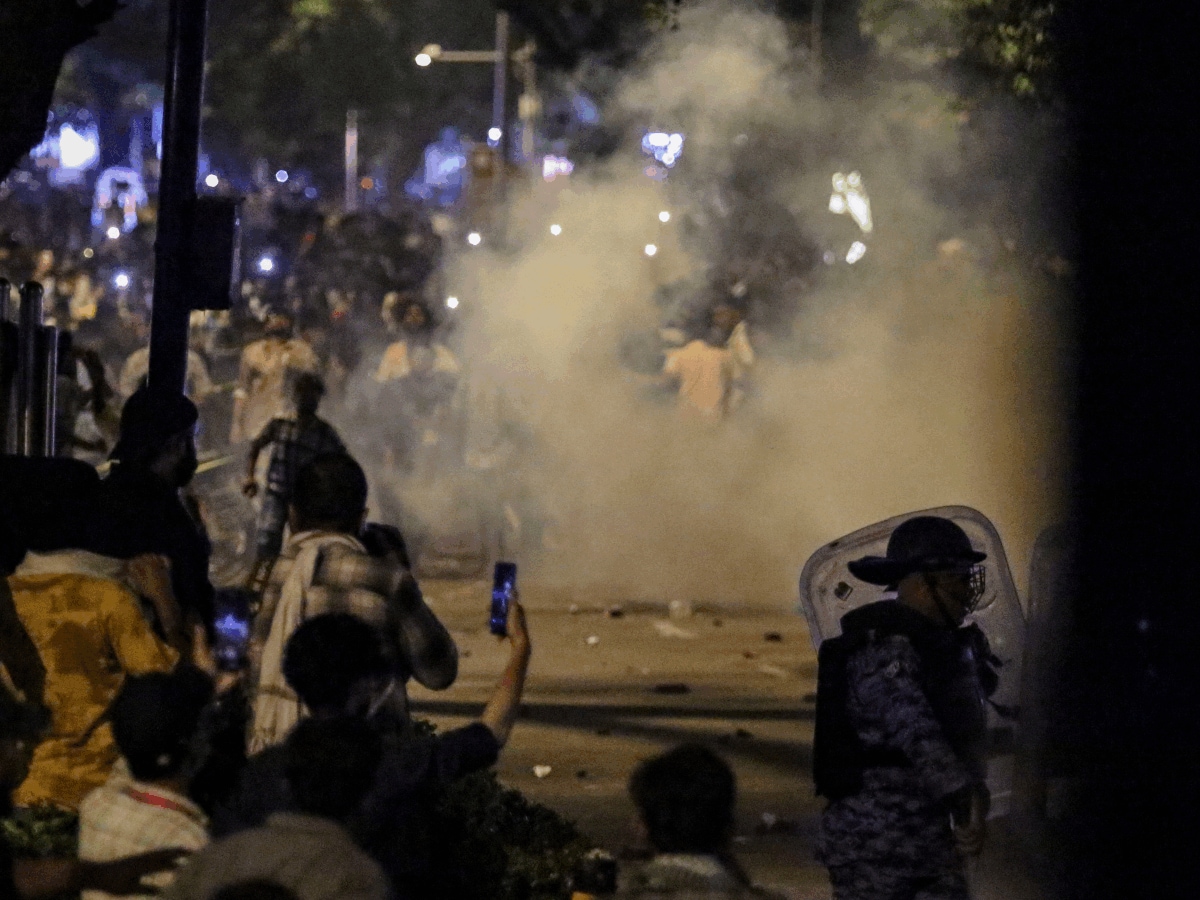
What happened (Supreme Court guidance on protest policing)
A Supreme Court bench hearing pleas connected to police action during protests in Delhi directed the Union government to plan police response using a graded response—including use of force when required—based on how events unfold while dealing with a restive crowd.
The Supreme Court agreed in principle with a no-violence approach for genuine student agitation or dissent against government policy. The Court also cautioned that protests can be “hijacked” by elements with ulterior aims, which can sabotage bona fide protests.
The Supreme Court urged the Union government to equip police with defensive/protective gear so officers can pause and assess before using force. The Supreme Court specifically used helmets as an example of protective gear that creates a moment for officers to gauge the situation.
On the Court’s procedural directions, the Supreme Court said a prayer in the petitions was vague and asked petitioners to amend filings to challenge rules that permit pellet guns. The Supreme Court also directed the Solicitor-General to place on record protocols governing police control of unlawful assemblies.