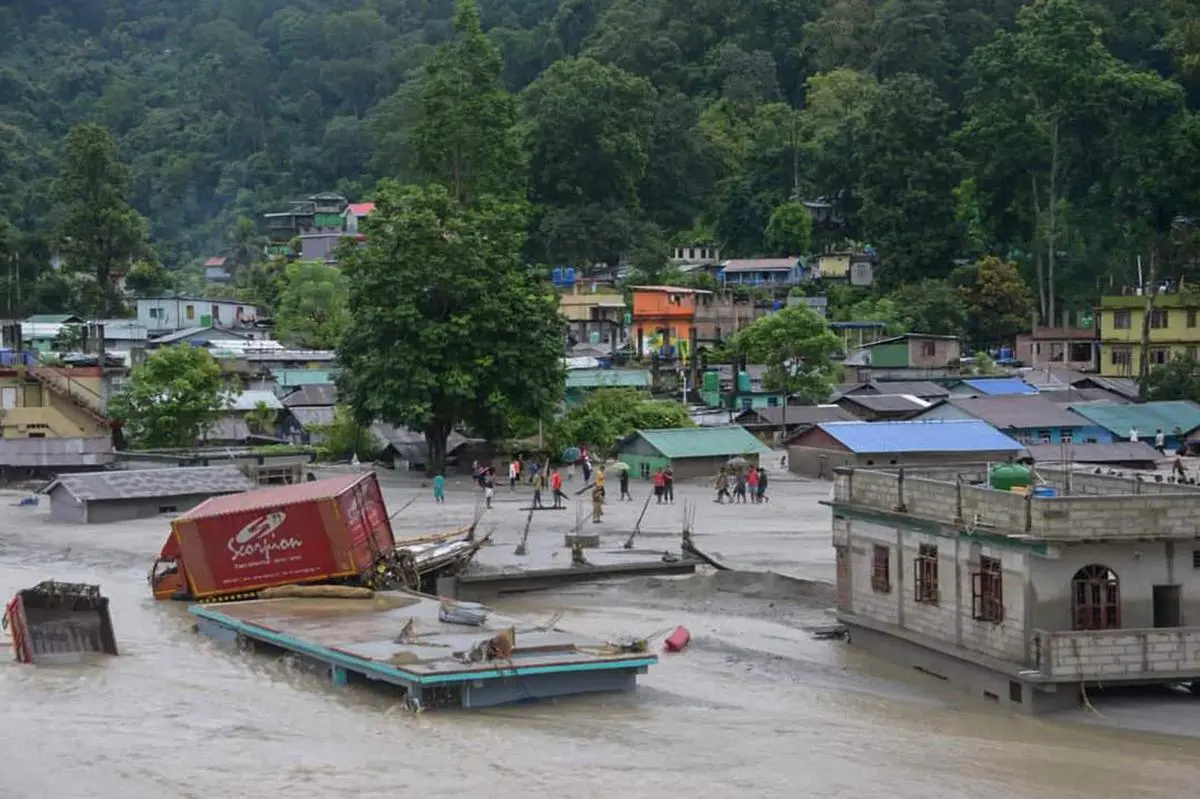
What happened (linking climate drivers to flood impacts)
The Indian Express explains flood risk in terms of two interacting layers: longer-term climate patterns and shorter-term weather conditions. The explanation connects river flooding to broader weather variability and to real-world outcomes such as damage and disruption to agriculture, settlements, and preparedness.
Background: what existed earlier in flood-risk thinking
Before focusing on climate drivers, flood-risk discussions usually emphasized hydrology and immediate rainfall and river-flow conditions—meaning the same basin can still face flood risk even if long-term climate trends are not the dominant talking point. In climate-informed explanations, the “risk baseline” changes because long-term shifts can alter the frequency or intensity of extremes, while short-term weather decides when a flood episode happens.
What changes now in the explanation of flood risk
The Indian Express shifts attention to the combined role of: (1) long-term changes that can intensify extreme events, and (2) short-term meteorological conditions that worsen impacts. It also explicitly links river flooding to broader weather variability and then to downstream consequences for agriculture, human settlements, and disaster preparedness.
Related current affairs
- Rising trend: Higher frequency of extreme events
- Arctic ‘jungles’ offer critical insights into climate studies
- A flood of woes in Assam
- Between long wet and dry spells, July rain reduced much of deficit from June of deficit from June
- Heat wave threatens to intensify across France
- Perilous perch: Houses seen along the banks of the Jhelum river flowing over the danger mark in Srinagar