What happened: disciplined antibiotic use and the “right dose” idea
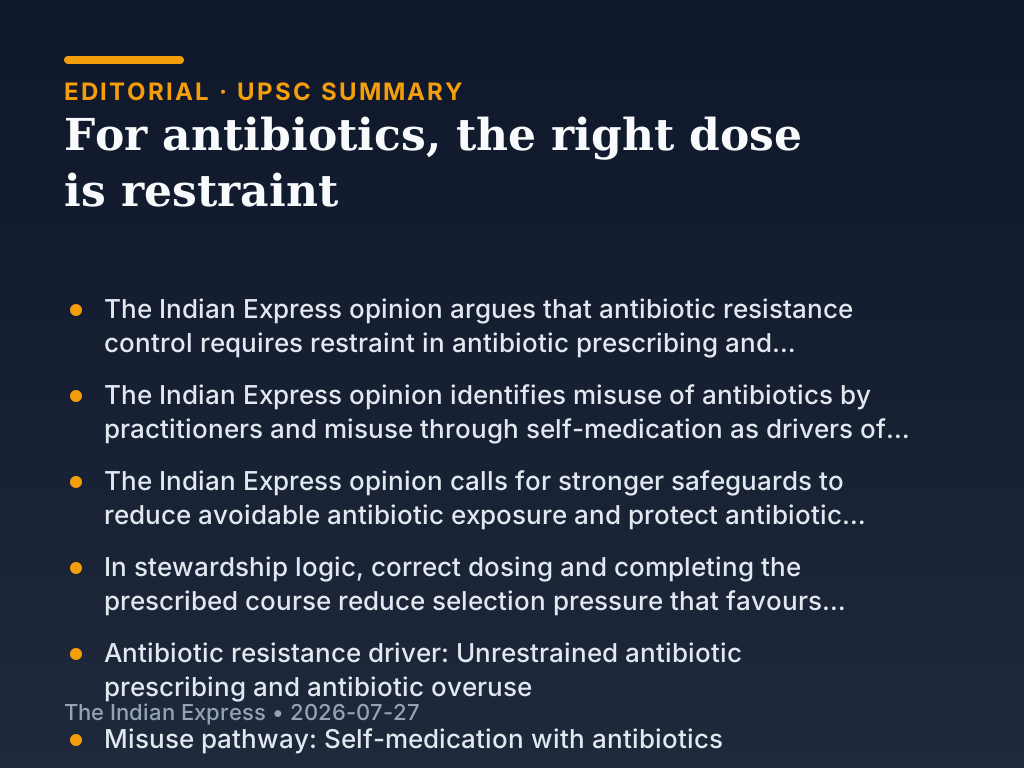
The Indian Express opinion argues that antibiotic resistance control requires restraint in antibiotic prescribing and disciplined antibiotic use. The opinion emphasises the “right dose” and completion of the proper treatment duration, and it identifies misuse by practitioners and misuse through self-medication as drivers of antibiotic resistance. The requested action focus is stronger safeguards that reduce avoidable antibiotic exposure to protect antibiotic effectiveness for the future.
Background and earlier position: why stewardship links dose, duration, and resistance
Antibiotics work by eliminating or suppressing bacteria. Incomplete or inappropriate use can leave some bacteria alive and increase the chance that resistant bacteria survive and multiply. In public health terms, wrong dosing or stopping early can also undermine effectiveness for future patients by selecting for resistant strains. In this logic, “right dose” and correct treatment duration are stewardship tools—stewardship means careful, responsible use of antibiotics.
What changed now: restraint in prescribing and completion of the course
The opinion does not announce a named government programme or a new law with a date. It focuses on practice and compliance and urges antimicrobial stewardship built on two linked pillars: Right dose: clinicians should prescribe antibiotics with dosing discipline rather than casual, excessive, or poorly justified dosing. Right duration: patients should adhere to the prescribed course duration and complete treatment as directed, instead of stopping early or taking antibiotics irregularly. The opinion also explicitly treats self-medication (using antibiotics without appropriate medical guidance) as a pathway for uncontrolled antibiotic exposure. It calls for stronger safeguards to reduce misuse by both clinicians and patients.
Related current affairs
- On antibiotics, problem isn’t just overprescribing
- Old antibiotic/antibiotic efficacy: “Old antibiotic revived” (title partially visible)
- Affordable and Accessible Healthcare for All
- India’s cancer focus must shift to early detection
- Virus/Immunisation explainer: don’t respect borders; ensure timely, fair access to vaccines
- Thai FDA approves new treatment for gonorrhoea