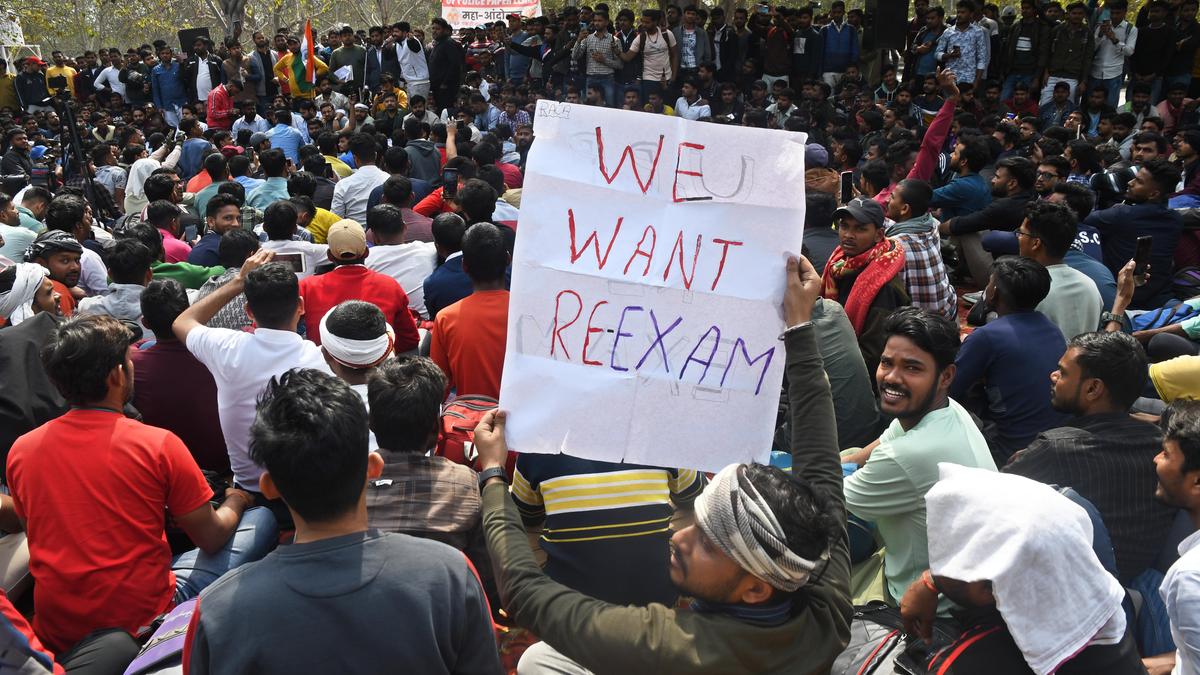
Letters responding to the July 20, 2026 protests over exam leaks and irregularities place the focus on constitutional protection, student trust, and state accountability. The central issue is not only the leak allegations but also the State response to peaceful protest and the wider damage to public confidence in examinations.
What the correspondents argued
The letters panel carried three linked arguments. One letter said the protests expose worrying questions about democratic health and constitutional protection, and urged the government to protect and reassure students. Another letter said young protesters seeking transparency should be met with justice and dialogue rather than force, and that repeated leaks have shattered trust in examinations. A third letter described peaceful student protests demanding accountability over recurring paper leaks, said force against unarmed protesters raises constitutional concerns, and cited Supreme Court principles on proportionality.
Why the issue matters
The issue sits squarely within GS2 because it combines the right to peaceful protest, the duty of the State to maintain public order, and the obligation to protect fairness in recruitment and assessment. It also has a GS4 dimension because administrative empathy, restraint, and institutional accountability are central when young citizens protest against perceived unfairness.
Key UPSC takeaways
Related current affairs
- Letters to the Editor
- The government has exhibited its total inefficiency in ensuring tamper-proof examinations (Letter to the Editor)
- Letters to the Editor: account for accountability, safe exams; rights of speech and assembly; ask for transparent inquiry
- Protesters’ anger extends beyond paper leaks
- Bihar turning police into a ‘weapon’ to evade accountability, says Rahul
- JMI admission lapses: protest site cleared, 4 students suspended