What happened: the argument on law-to-outcome gap
Background and earlier position: why rights on paper may not work
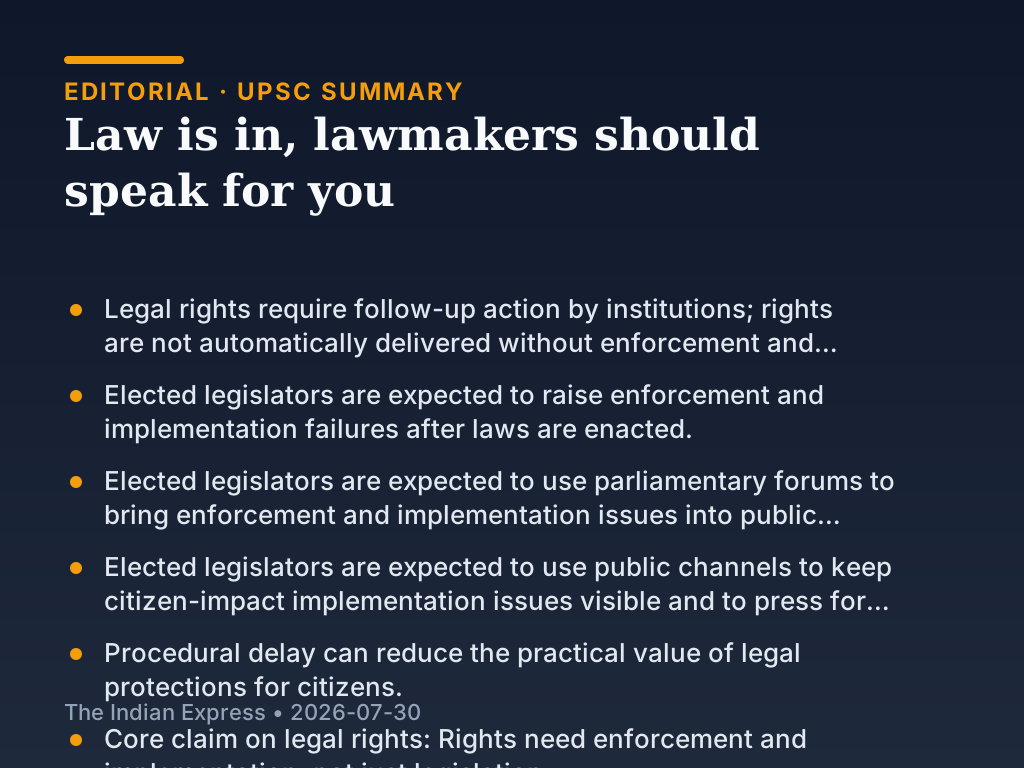
A law’s practical effect depends on administrative and enforcement systems that convert legal duties into timely decisions and service delivery. When elected representatives do not persistently surface delivery gaps in legislative settings, governance systems may face weaker political pressure to correct failures. Procedural delay can also reduce the usefulness of legal protections for citizens even when the law exists.
Why it matters for UPSC: GS2 and GS4 linkages
UPSC can treat this as a governance accountability problem: administrative enforcement is one part of delivery, but legislatures also influence delivery through oversight, demands for information, and follow-up on implementation failures. In ethics terms, elected representatives have a duty to speak for citizen interests and to hold governance systems accountable for delivery.
Related current affairs
- Rahul steps up attack on Shah; protesters recount police action during march
- Opposition cannot only oppose, it must do more
- Rahul questions Shah over ‘barbaric assault’ in Delhi
- No debate before ouster of Minister: Opposition
- Govt offers discussion in House, Opp presses for Pradhan's resignation
- Rahul changed goalposts to call off sit-in at PM’s house: Centre (Jitendra Singh quote with statement)