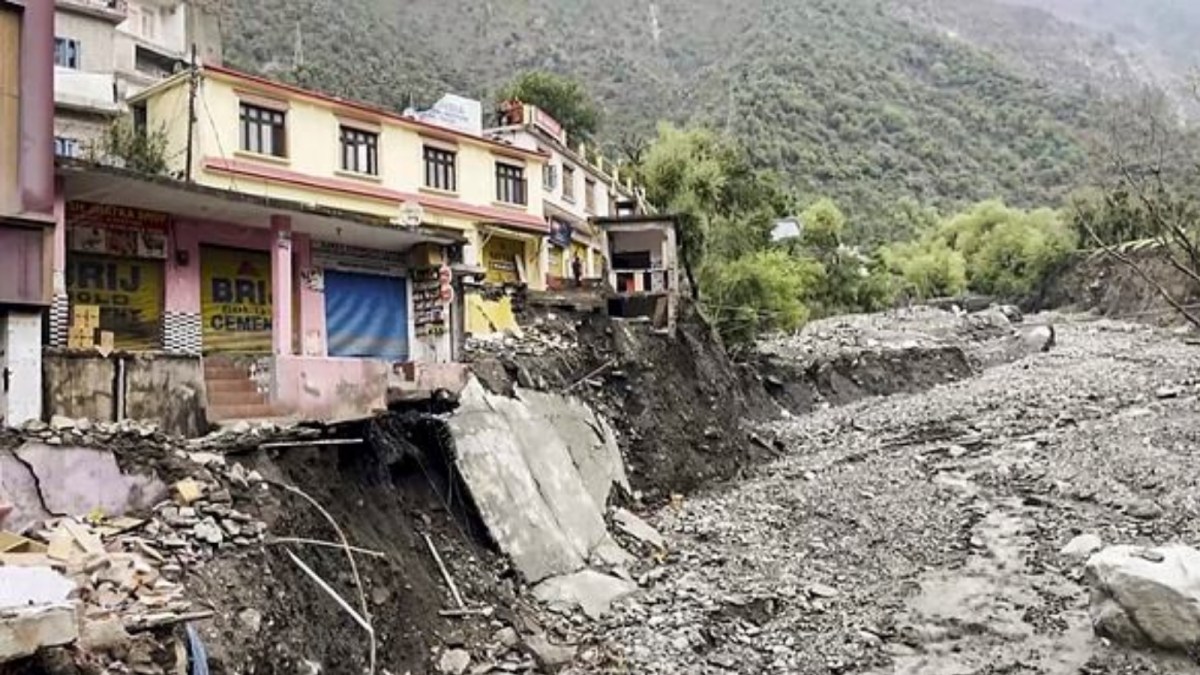
Heavy rainfall triggered flash floods in Poonch and Rajouri districts of Jammu and Kashmir, causing deaths, missing persons and damage to homes, schools and public infrastructure. The incident matters for UPSC because it combines Himalayan geography, disaster management, local administration and restoration of essential services.
What happened
The rain began on Sunday morning and triggered flash floods in the Pir Panjal valley, with Poonch district described as the worst-affected area.
The flooding caused 11 deaths and left 10 people missing. Most deaths were reported from Poonch, while the rest were reported from Rajouri.
The floods damaged more than 100 houses and about two dozen school buildings in the initial assessment. Flash flooding also occurred in Rajouri and Kishtwar districts, damaging public property and washing away multiple vehicles. Landslides disrupted traffic in several locations.
Official response
Related current affairs
- 7 killed in landslide in Jammu and Kashmir as rain toll hits 21
- 134 roads in Himachal shut due to landslides, flash floods; 15 dead
- Narrow escape for DY CM, MP as landslides continue in J&K
- Sidelined wagons: Trucks halted at Qazigund after landslides forced the closure of the Jammu-Srinagar National Highway
- DoT activates Intra-Circle Roaming in J&K, Assam and Nagaland after severe weather disruptions
- ‘Whole village went under water’: Assam grapples with floods, 21 dead in 24 hours