What happened
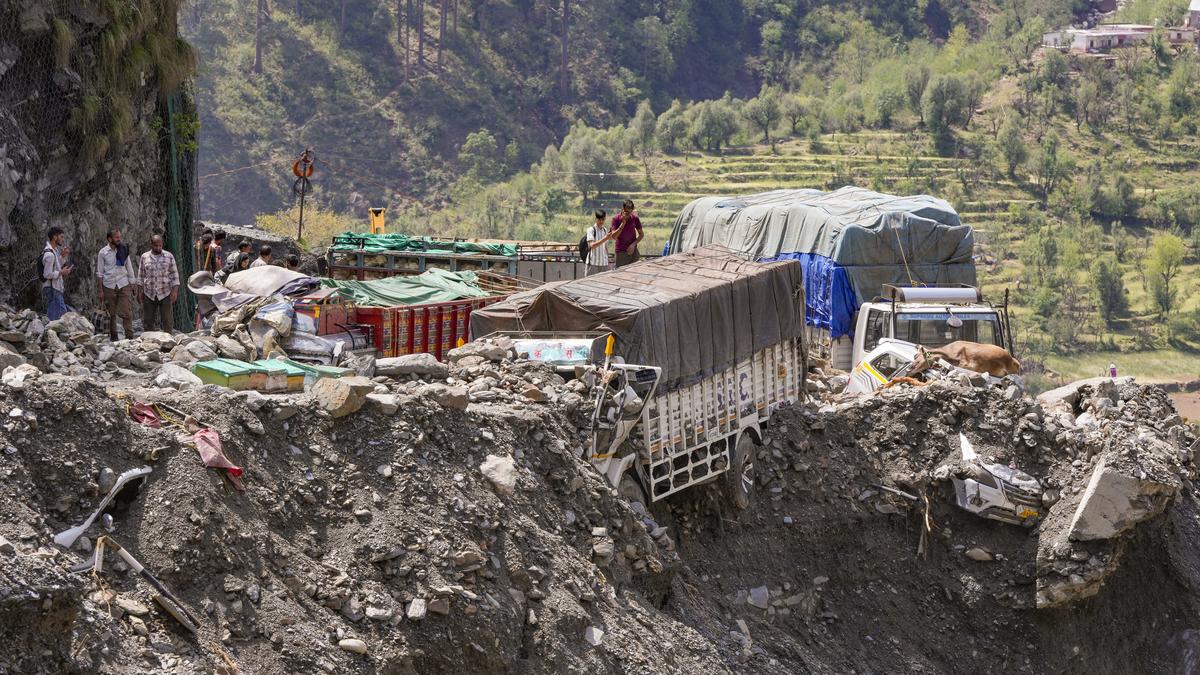
Heavy rain-triggered landslides in Jammu and Kashmir killed seven people, including a family. The statewide rain-related death toll rose to 21. Roads were blocked in several areas, infrastructure was damaged, and rescue and relief operations continued.
Why the incident matters
The episode shows how intense rainfall can quickly turn vulnerable mountain terrain into a multi-hazard situation: loss of life, blocked transport links, infrastructure damage, and delayed relief. For UPSC, the event links physical geography with disaster management, connectivity, and emergency response.
Background and earlier position
Jammu and Kashmir is part of the Himalayan region, where steep slopes, fragile geology, and intense rainfall increase the risk of landslides. Rain-induced slope failure often affects roads first, which can isolate settlements and slow rescue work.
Related current affairs
- 11 killed in J&K as heavy rain triggers flash floods
- Narrow escape for DY CM, MP as landslides continue in J&K
- 134 roads in Himachal shut due to landslides, flash floods; 15 dead
- Sidelined wagons: Trucks halted at Qazigund after landslides forced the closure of the Jammu-Srinagar National Highway
- DoT activates Intra-Circle Roaming in J&K, Assam and Nagaland after severe weather disruptions
- ‘Whole village went under water’: Assam grapples with floods, 21 dead in 24 hours