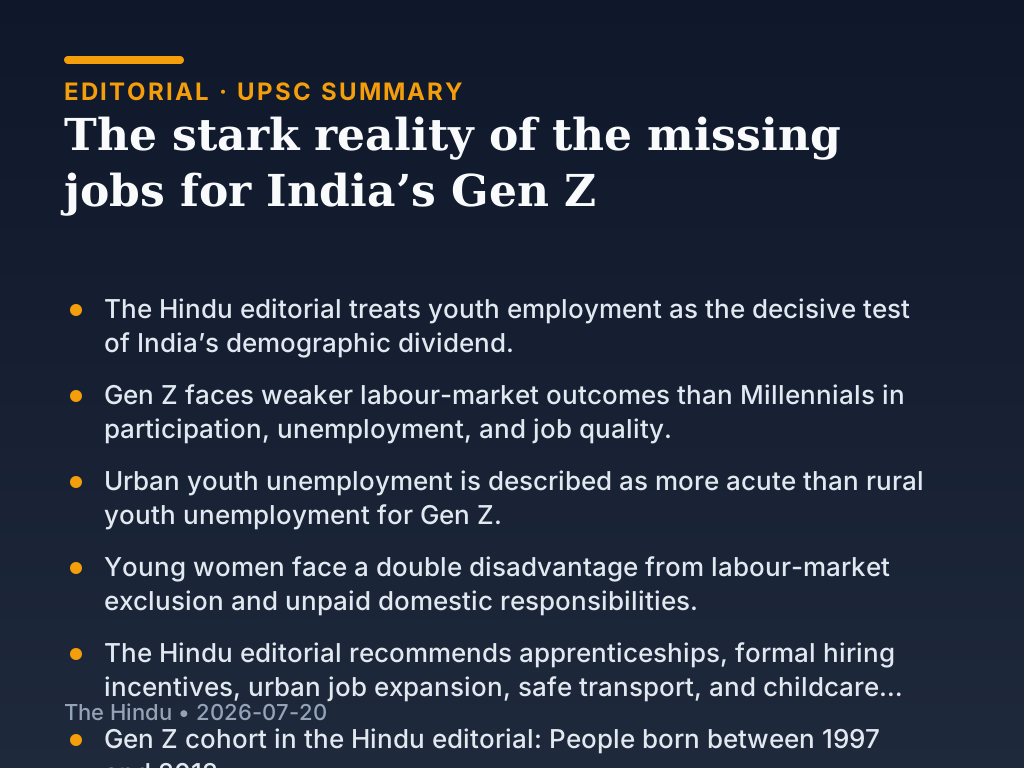
India’s demographic dividend depends on whether young people can move from education into decent work. The Hindu editorial uses Labour Force Survey evidence to show that Gen Z faces weaker labour-market attachment, higher unemployment, and far lower access to secure jobs than Millennials.
What The Hindu editorial says about Gen Z
The Hindu editorial points to four broad problems:
A large share of Gen Z remains in education, and among those not studying, many are in unpaid family work, casual work, informal work, or domestic duties. The share of regular wage employment is low for both genders, and it is especially weak for young women.
Gen Z unemployment is significantly higher than Millennial unemployment, especially in urban areas and among young women. The Hindu editorial treats this as evidence that the economy is not absorbing new entrants in line with their rising qualifications and aspirations.
Related current affairs
- Deeper jobs problem: Stir a sign demographic dividend is at risk
- Youth can become a burden without jobs, skills: Bhagwat
- PM takes note of Gen Z anxieties, warns against ‘intellectual Naxals’
- April–June unemployment in India: jobless claims rise
- In Brief: Unemployment rate rises to 5.4% in April–June quarter (PLFS)
- Students in ‘severe pain’ need apology, not PM’s ‘forgiveness’: Rahul Gandhi