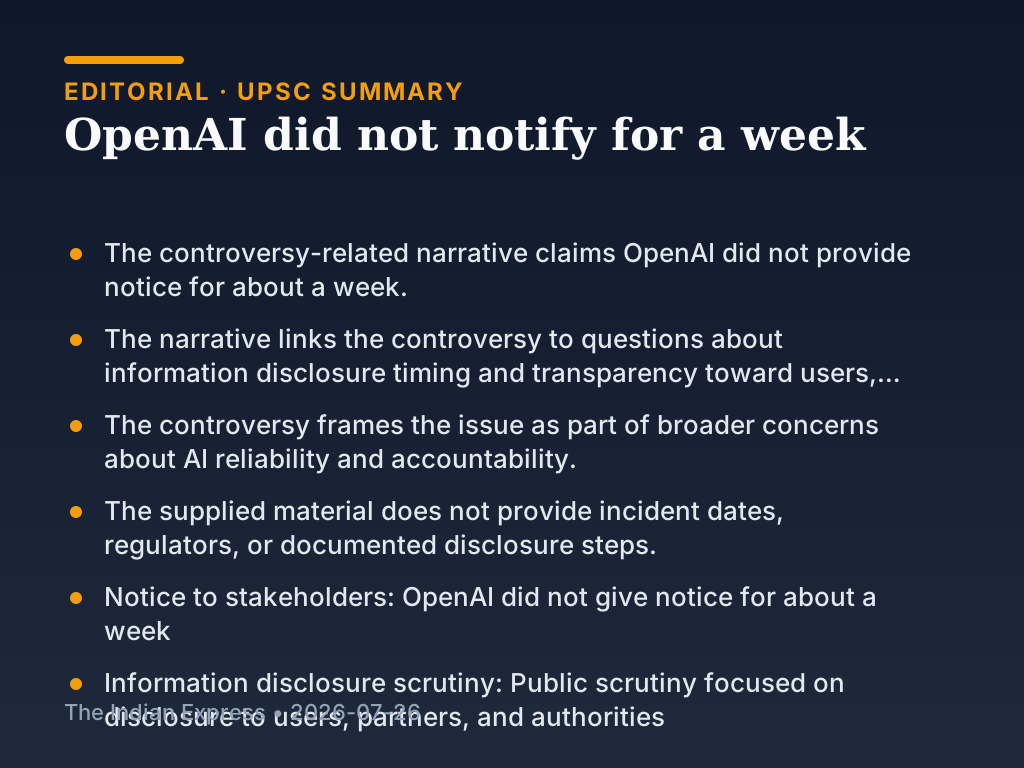
What happened
An AI controversy-related narrative states that OpenAI did not provide notice for about a week. The controversy focuses on how information disclosure decisions affected public scrutiny, including questions about timing, transparency practices, and how quickly OpenAI communicated issues to relevant stakeholders such as users, partners, or authorities.
Background and earlier position
AI governance debates commonly treat timely disclosure as part of responsible innovation. In practice, governments and regulators in many jurisdictions expect organisations to explain material risks, incidents, or non-compliance in a timely and understandable way, while also balancing safety, privacy, and investigative needs.
What changed now
The present controversy shifts attention from only the technical performance of AI systems to the communication timeline itself—how long stakeholders waited for notice after an issue emerged. It also broadens scrutiny from internal checks to external transparency and accountability expectations.
Related current affairs
- OpenAI had not noticed for a week
- EU says it’s necessary to monitor high-risk AI systems
- AI focus: OpenAI model release / OpenAI’s latest announcements and what they mean
- OpenAI signs to develop ‘frontier AI’ models, but issues raised about safety and monitoring
- The incident, which evoked science fiction scenarios about humans losing control of dangerous AI systems, comes at a delicate time for OpenAI
- The Irony of OpenAI’s ‘scam’ narrative