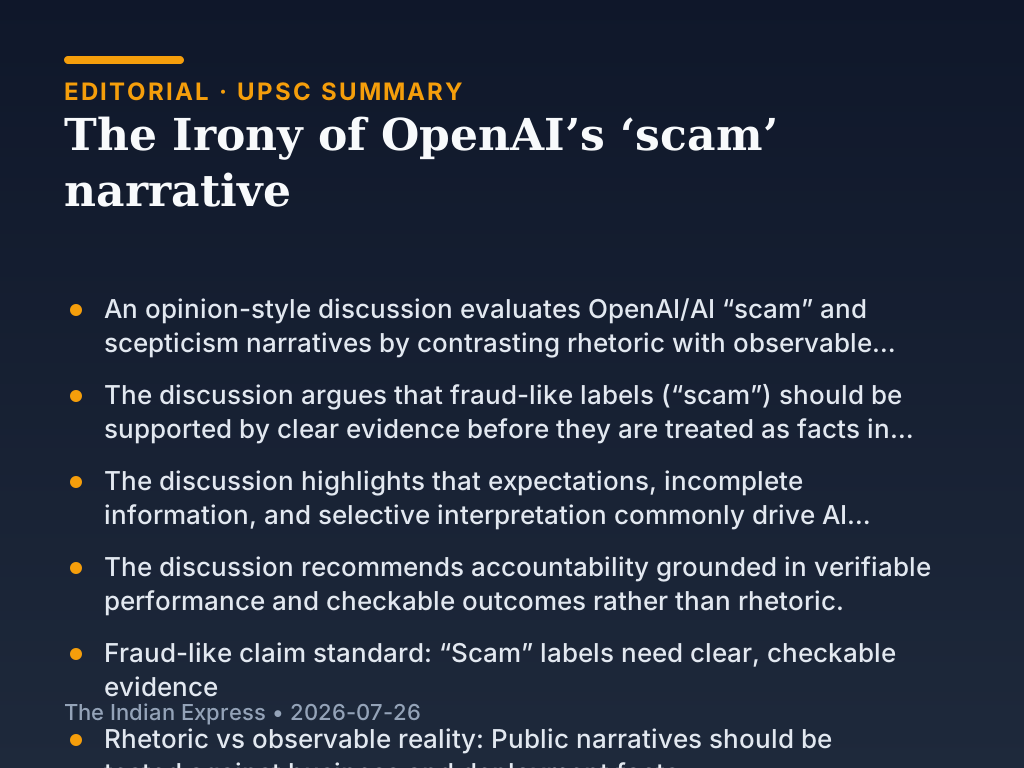
What happened: “scam” framing around OpenAI/AI in public discourse
A commentary-style discussion examines how public reactions to OpenAI and AI products can adopt a fraud-like “scam” framing. The central point is that allegations presented as fraud claims should be tested against verifiable evidence, not treated as settled truth based on rhetoric.
Background and earlier position: expectations and incomplete information shape AI controversy narratives
The discussion highlights common drivers of AI controversy narratives. OpenAI/AI-related disputes in public discourse often reflect expectations rather than proof, limited information about how AI systems are built and deployed, and selective interpretation of events that supports a pre-set conclusion.
What changed now: accountability should be grounded in verifiable performance
The discussion urges a shift from persuasive narratives to accountability based on verifiable performance. For OpenAI and other AI actors, the standard for assessing misconduct-like claims should rely on observable realities: documented conduct and checkable outcomes during deployment, not just persuasive claims or market hype.
Related current affairs
- Letters to the Editor
- AI romance / A more-than-tech debate (small bottom-left opinion block)
- Why is China’s AI push gaining ground?
- AI focus: OpenAI model release / OpenAI’s latest announcements and what they mean
- OpenAI signs to develop ‘frontier AI’ models, but issues raised about safety and monitoring
- OpenAI had not noticed for a week