GS2The Indian Express · Editorial
Bottom-right continuation/related commentary block (part of the policing discussion)
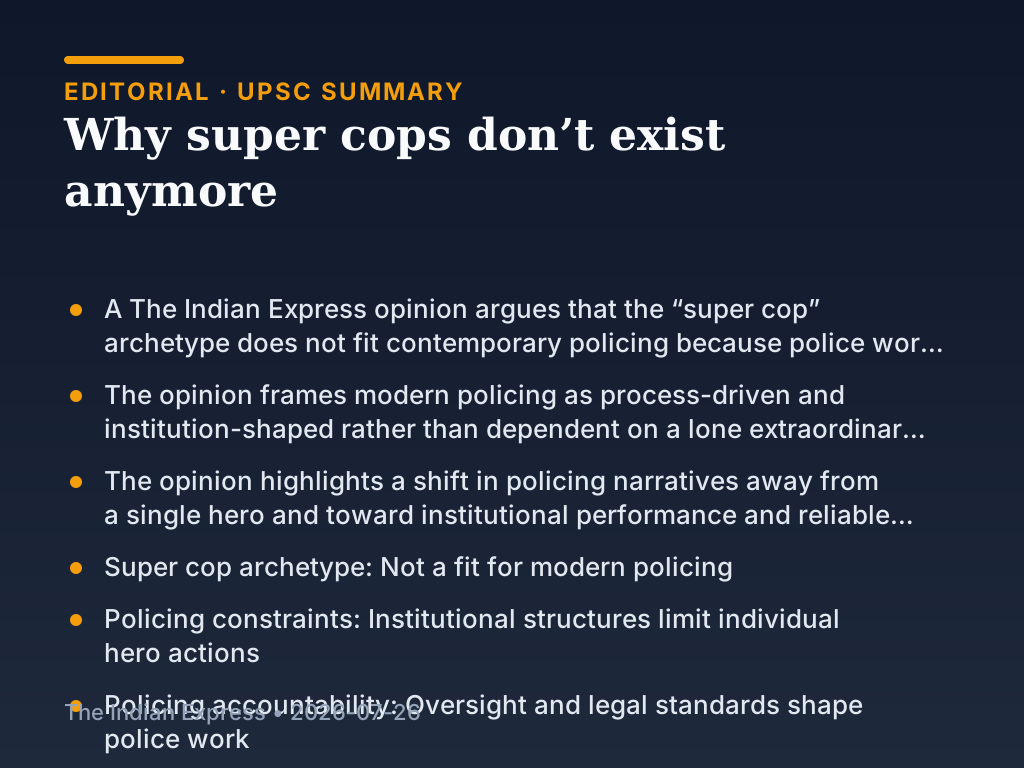
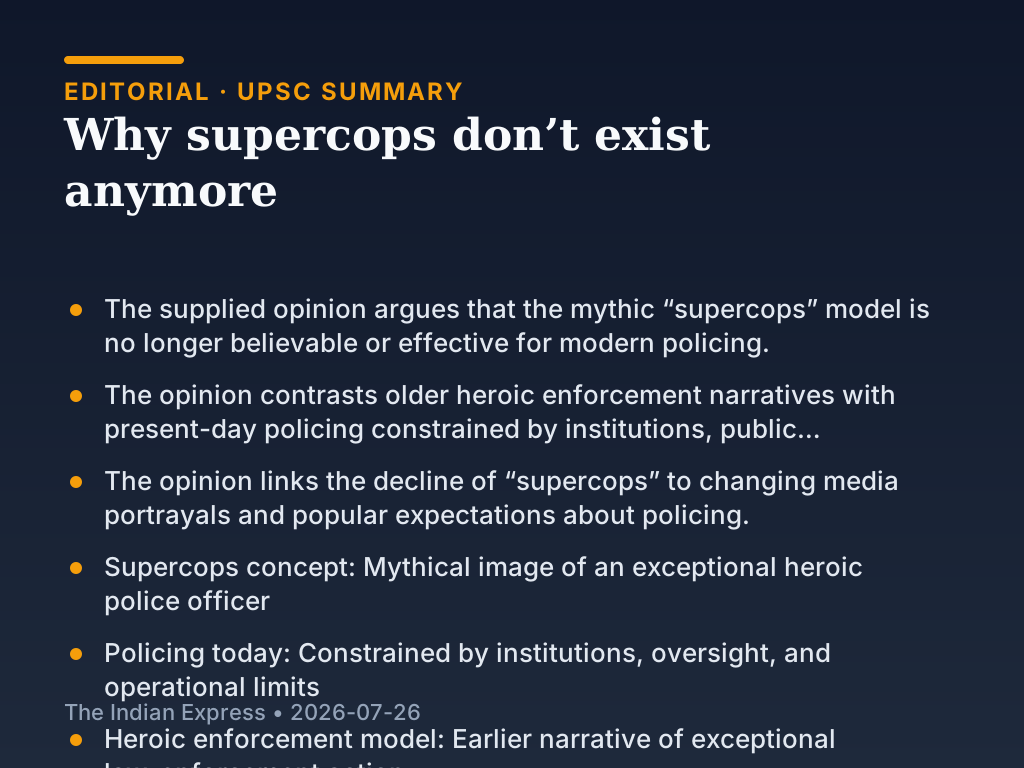
An opinion on policing argues that governance constraints weaken the “supercop” narrative about effective, personalised police leadership.
SP
Samachar Pathshala Desk
Published 26 Jul 2026 · 1 min
Key takeaways
- Police action must follow law and institutional rules, so policing outcomes depend on granted powers and oversight, not only leader skill.
- Policing quality can be judged by governance and accountability mechanisms that guide public-facing police work, not just by individual command performance.
What happened (argument focus)
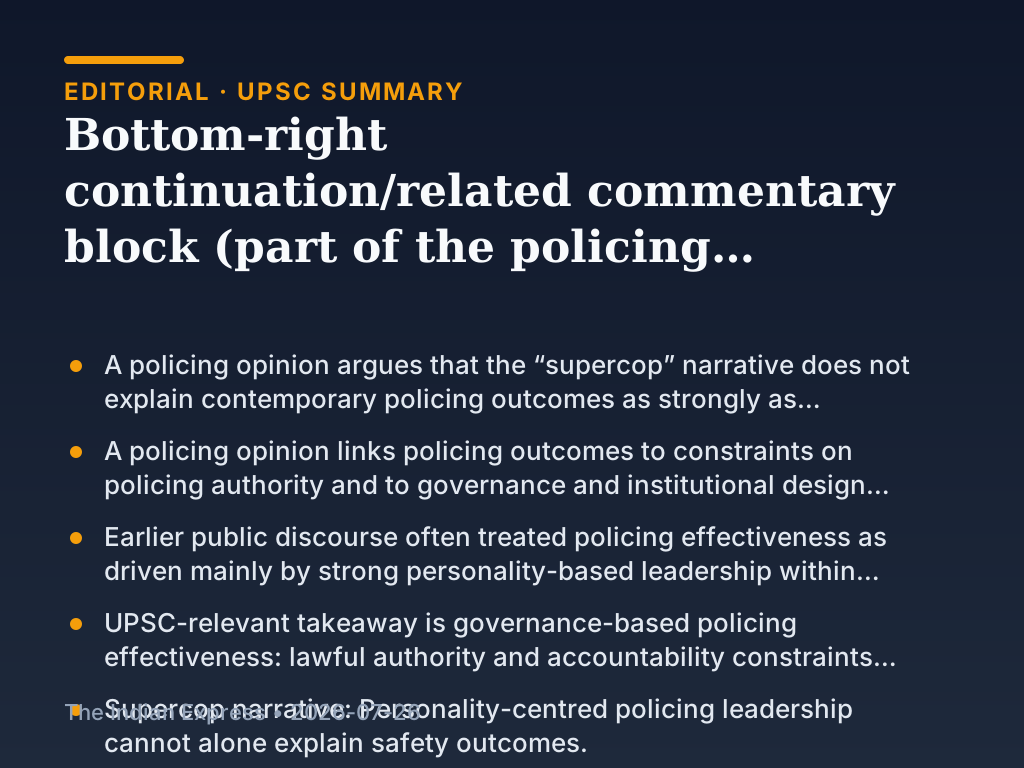
A policing opinion argues that the “supercop” narrative does not explain contemporary policing outcomes as strongly as older personality-centred explanations. The opinion emphasises that governance constraints and institutional design shape police authority and public-facing policing roles and results.
Background and earlier position (personality-centred policing explanations)
The UPSC angle
GS2GS3
Reframing police effectiveness: from “supercop” to governance constraints and accountability
UPSC can treat policing effectiveness as a governance and accountability problem: what police leaders can do in public depends on legal powers, institutional checks, and oversight mechanisms. The “supercop” frame can be used only as a limited entry point, not as the core explanation.