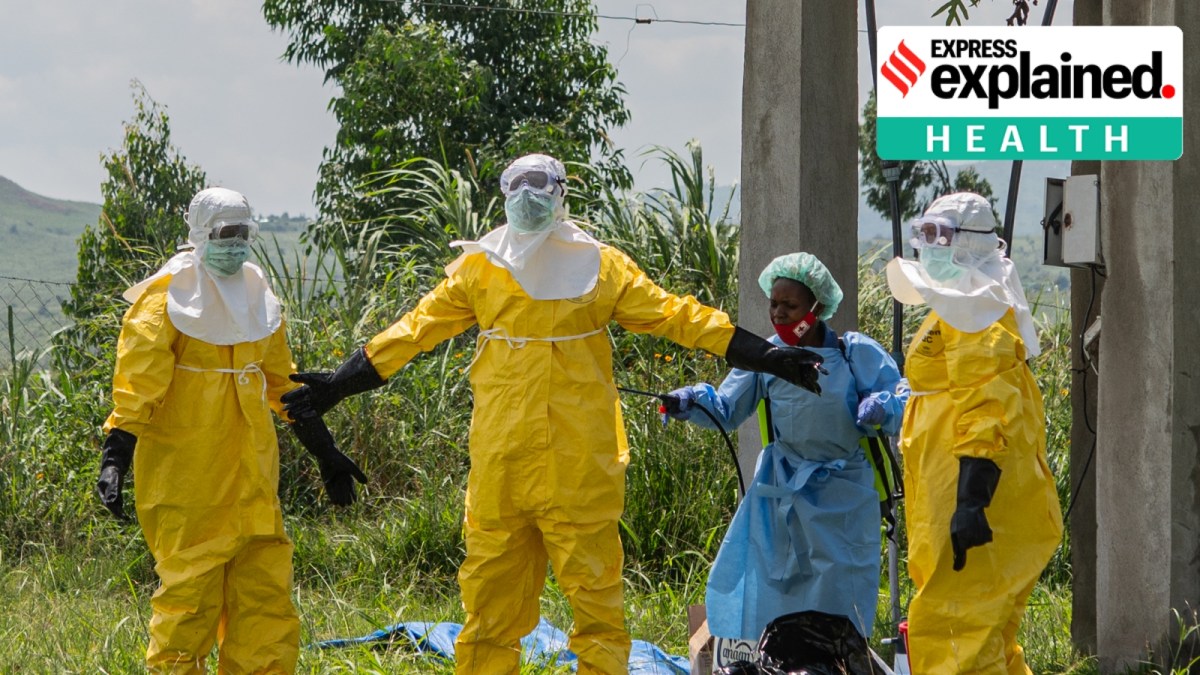
An Ebola outbreak in the Democratic Republic of the Congo has killed 930 people, including 36 health workers. The death toll shows how epidemics can overwhelm frontline medical staff and weaken an already stressed public health system.
The outbreak remains active, with continued spread affecting communities and medical staff. Authorities and aid workers are still struggling to contain transmission, which makes the episode relevant to epidemic response capacity, health-worker safety, and coordinated containment measures.
What happened
The Ebola outbreak in the Democratic Republic of the Congo has caused a large number of deaths and has affected both patients and health workers. The inclusion of health workers among the dead is especially significant because it indicates operational pressure on clinics, hospitals, and field response teams.
Why the outbreak matters for UPSC
The outbreak fits squarely within GS2 health governance and GS3 disaster management. It is useful for questions on outbreak surveillance, infection-control protocols, risk communication, and the resilience of public health systems in low-resource settings.
Related current affairs
- Kinsasha: Congo’s Ebola outbreak becomes country’s worst; over 2,300 dead
- Number of deaths in Congo due to Ebola outbreak
- MoHFW outlines steps to strengthen preparedness against emerging infectious diseases
- Congo Ebola cases top 2,000 as more health workers are on strike
- ‘No new H1N1 strain in India, existing vaccines sufficient’
- Congo receives over 16,000 doses of Ebola vaccine amid health crisis