What happened: Chandigarh’s drinking-water charge management and governance focus
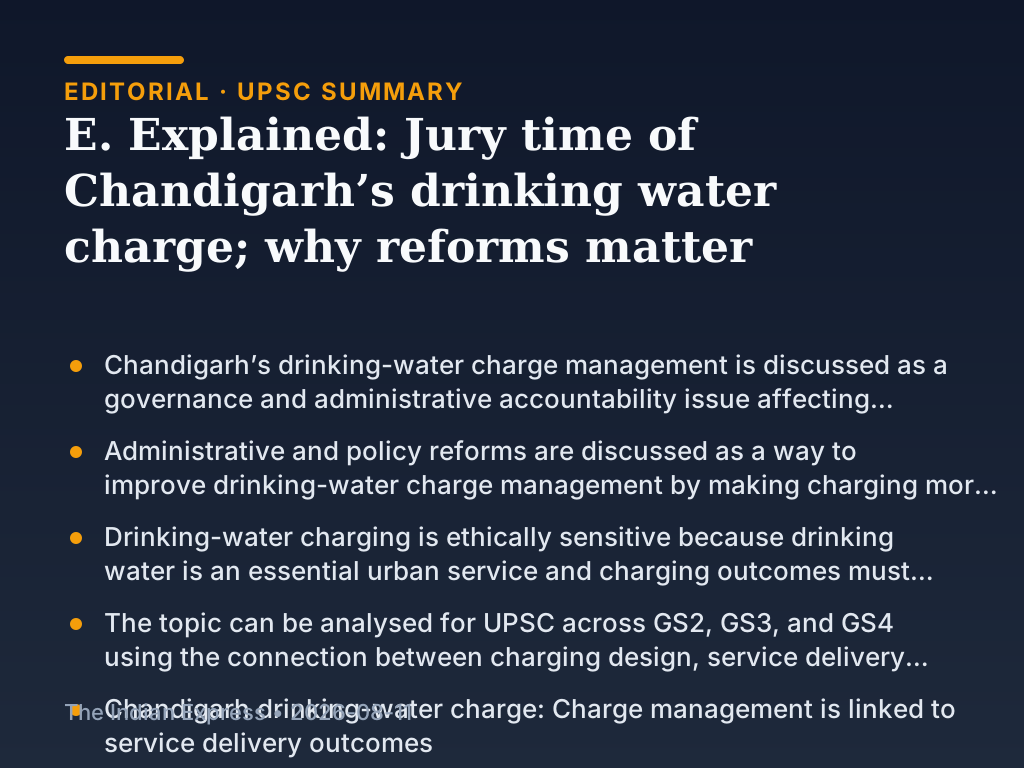
Chandigarh’s drinking-water charges are discussed through the lens of governance and public administration. The focus is on how charging and administrative processes affect households (service-users) and why institutional clarity matters for accountability in urban drinking-water services.
Background and earlier position
In urban drinking-water delivery, charging is not only a revenue mechanism. Charging rules shape user incentives and expectations, while administrative responsibility and service-performance monitoring shape whether users can verify fairness and hold service providers accountable. When responsibility for charge determination and service performance is fragmented or unclear, households can face inconsistent charge outcomes and weak accountability.
What changed now: why administrative and policy reforms are discussed
Administrative and policy reforms are discussed to improve the management of drinking-water charges in Chandigarh. The reform idea centers on making charge decisions more predictable for households and more closely linked to service delivery outcomes, so accountability becomes easier for service-users to assess.