What happened
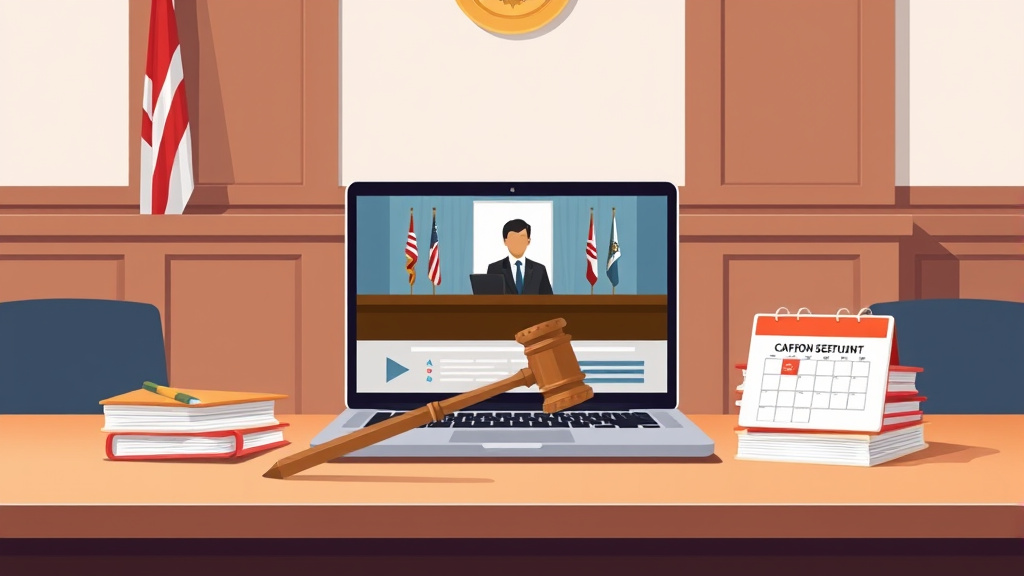
India’s judiciary expanded virtual courts during the pandemic, moving hearings from physical courtrooms to video conferencing, e-filing, online case management, and hybrid hearings. The system began as an emergency measure for continuity during lockdowns, but it became a lasting part of judicial work.
The illustrated feature says the digital shift changed courtroom practice, judicial workflow, and legal etiquette. It presents virtual courts as a broader modernization of the justice system, not a temporary stopgap.
Background and earlier position
Before the pandemic, Indian courts largely depended on in-person appearances. During lockdowns, remote hearings were used to prevent a breakdown in justice delivery, especially when physical movement and court functioning were restricted.
What changed now
Related current affairs
- PMFBY digital and governance framework: NCIP, DigiClaim, land-record integration, CCE Agri app, CROPIC and grievance redressal
- A civilisational approach to social media
- SC trims law practice requirement to 1 year for judicial service
- 7th BRICS ICT Working Group Meeting Continues in Pune on Digital Public Infrastructure and Digital Governance
- AI, Quantum, Cybersecurity and Digital Tools are rapidly transforming governance: Dr. Jitendra Singh
- Digital technology push in cooperative sector under “Sahkar Se Samriddhi”