What happened
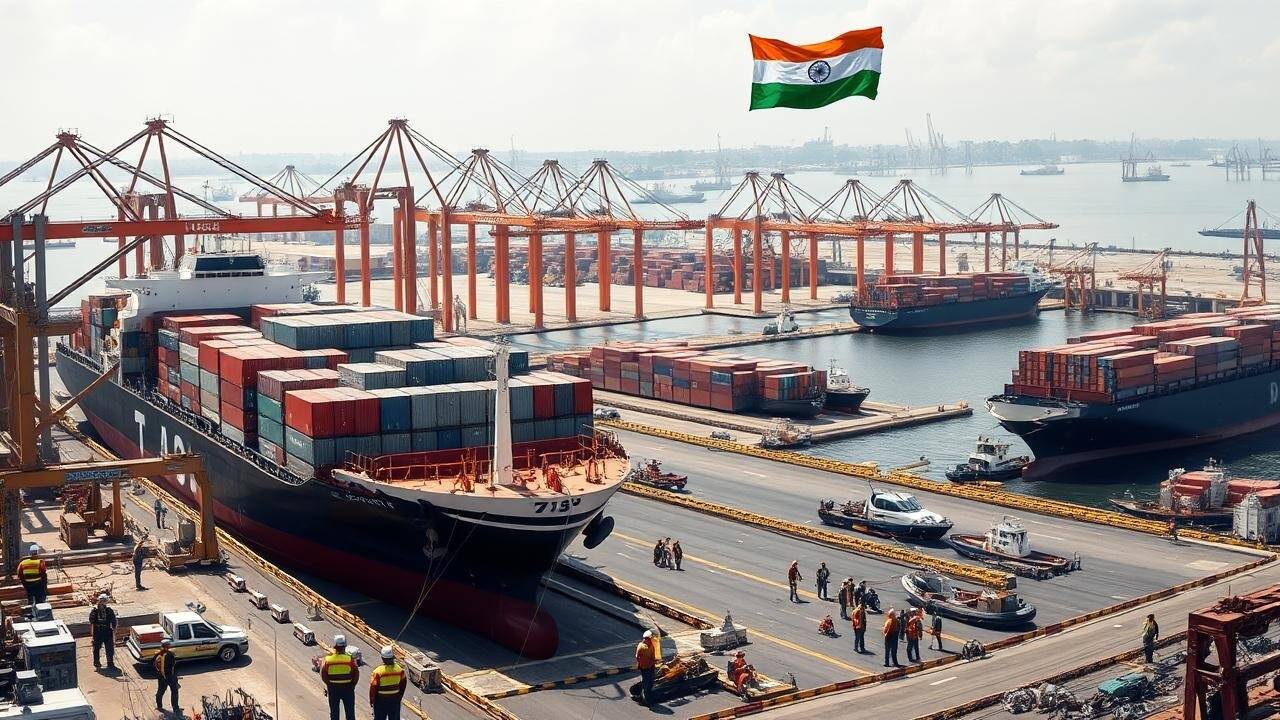
The Ministry of Ports, Shipping and Waterways has outlined a 4-pillar strategy to revive India’s shipbuilding sector. The package combines financial support, long-term financing, shipyard development, and policy reform. The Government of India says the overall package is worth ₹69,725 crore.
The package has four linked parts. First, the Shipbuilding Financial Assistance Scheme (SBFAS) is meant to reduce the cost gap between Indian shipyards and foreign shipyards. Second, the Maritime Development Fund (MDF) is meant to improve long-term financing in the sector. Third, the Shipbuilding Development Scheme (SbDS) is meant to expand domestic capacity and support greenfield shipbuilding clusters. Fourth, the Government of India has begun policy reforms, including infrastructure status for large vessels and demand aggregation.
Background and earlier position
Shipbuilding in India has faced structural disadvantages for years. The sector needs large upfront capital, long production cycles, specialised labour, and reliable demand. Indian shipyards have also had to compete with foreign shipyards that often operate with deeper financing ecosystems and stronger scale advantages.
What changed now
Related current affairs
- Government approves ₹69,725 crore package to revamp India’s shipbuilding sector
- Four-pillar strategy and Rs. 69,725 crore package to revitalize shipping and shipbuilding; skilling, financing, shipyard development and reforms
- Shipbuilding Financial Assistance Policy extended: SBFAS and Maritime Development Fund (MDF)
- India can become global shipbuilding hub: Rajnath
- In Brief (page navigation/teaser): India can be a hub for shipbuilding: Rajnath
- Development of Inland Waterways (IWT) and related projects under Maritime India Vision 2030 and Maritime Amrit Kaal Vision 2047