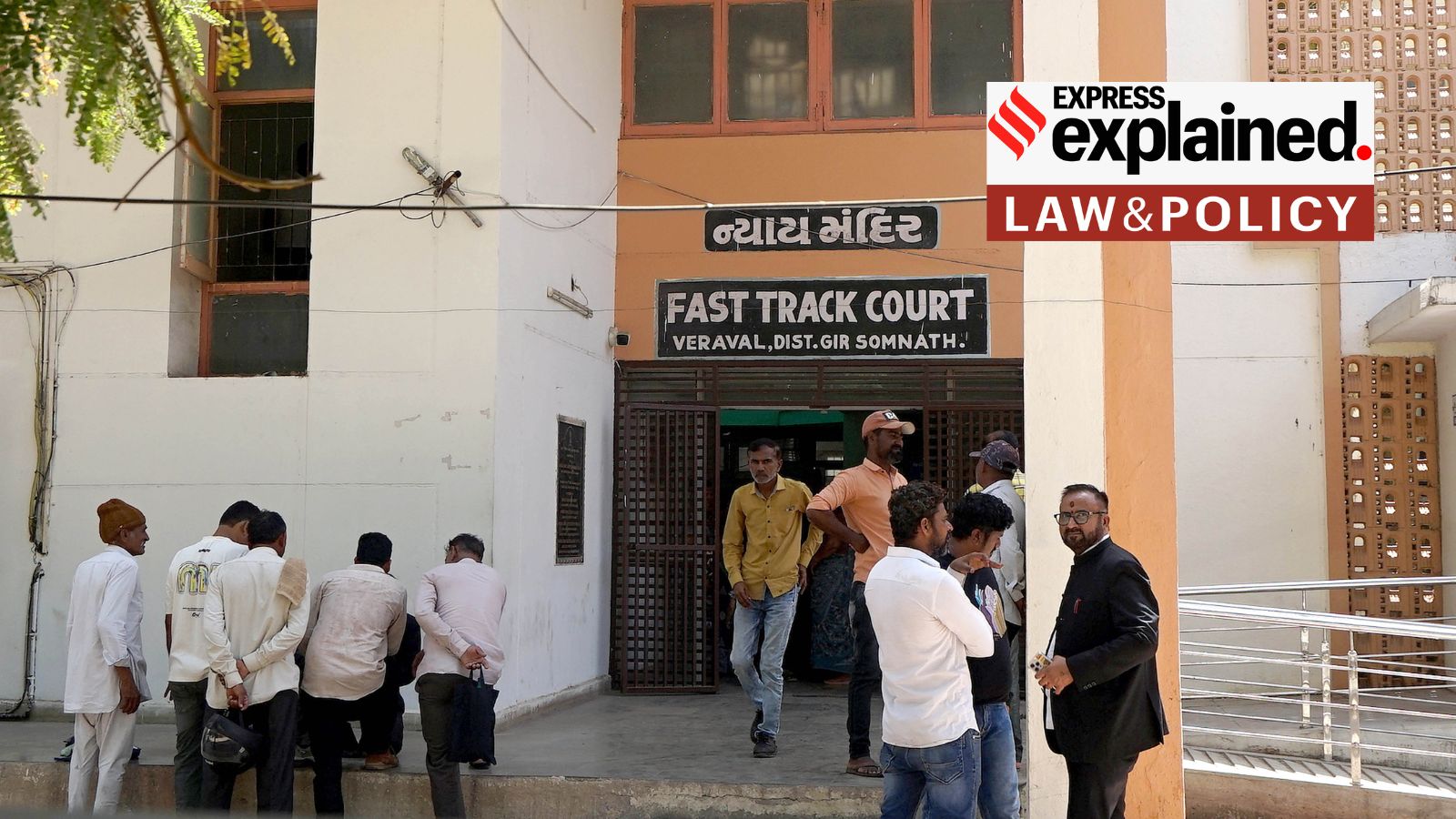
What happened: FTSC scheme extension and implementation update (as of 30.04.2026)
The Union Ministry of Law and Justice reported an extension and performance update for the Centrally Sponsored Scheme for setting up Fast Track Special Courts (FTSCs), including exclusive electronic POCSO (ePOCSO) courts, to expedite trials of rape and offences under the Protection of Children from Sexual Offences (POCSO) Act, 2012. The scheme was launched in October 2019 and had been extended twice, with the last extension valid up to 31.03.2026 and a temporary extension up to 30 September 2026. High Courts reported that 775 FTSCs (including 398 exclusive ePOCSO courts) were functional in 29 States/UTs as of 30.04.2026.
Background and earlier position: why FTSCs and ePOCSO courts were created
The FTSC scheme is designed for expeditious trial and disposal of pending cases related to rape and offences under the POCSO Act, 2012. The scheme structure includes exclusive ePOCSO courts within FTSCs, aligning case management and judicial capacity with the child-protection objective of POCSO trials. Under the constitutional framework, recruitment and filling of judicial officer vacancies in district and subordinate courts, including FTSCs, is the responsibility of States/UTs and the concerned High Courts.
What changed now: extension timeline, reported functional strength, and case workflow data
The government’s update focused on three implementation aspects. First, the FTSC scheme timeline was extended again through a temporary extension up to 30 September 2026 after the last extension’s validity through 31.03.2026. Second, functional court strength was reported at 775 FTSCs across 29 States/UTs, including 398 exclusive ePOCSO courts, as of 30.04.2026. Third, the written reply provided a three-year workflow snapshot for FTSCs and exclusive ePOCSO courts, including registered cases, disposed cases and pending cases as of the end of each year.
Related current affairs
- 775 Fast Track Special Courts functional in 29 States/UTs; FTSC scheme extended till Sept 2026
- 67 Fast Track Special Courts, including 56 exclusive POCSO courts, functional in Madhya Pradesh
- Why was Acting CJ of Rajasthan HC not shifted, judge asks CJI
- Massive backlog in fast-track courts an eye-opener: Congress
- Ministry of Education: BRICS Network University (BRICS NU) conference on Traditional and Indigenous Knowledge Systems
- Draft UGC Regulations, 2025: UGC continues consultations before finalising teacher appointment norms