NICDC organises cross-learning site visit to AURIC Smart City to strengthen industrial corridor development
NICDC–MITL cross-learning visit to AURIC Smart City and linkages to plug-and-play industrial parks under BHAVYA
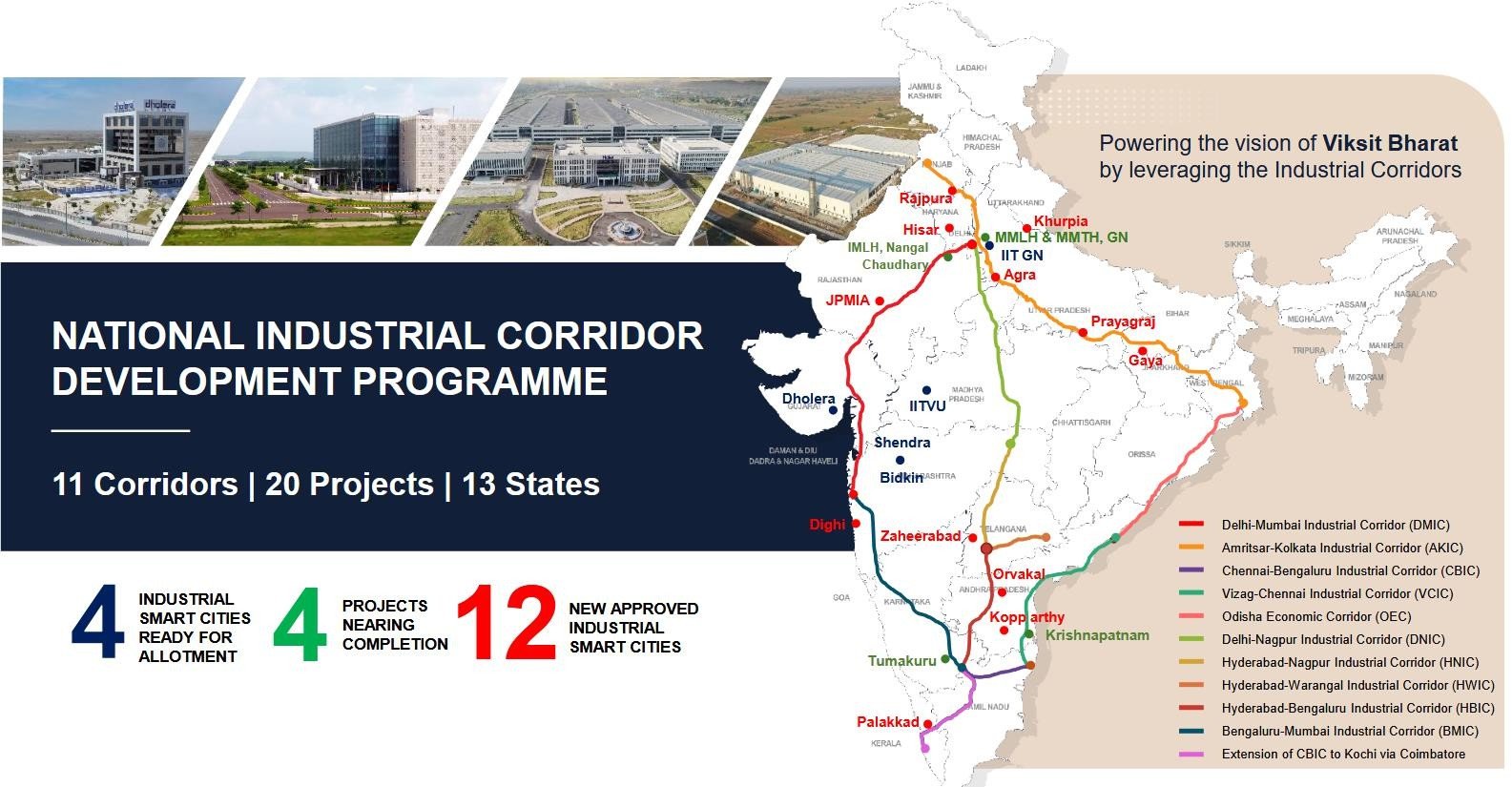
- NICDC organised a two-day cross-learning site visit to AURIC Smart City and used the programme to discuss replication of integrated planning, utility infrastructure, digital governance and investor facilitation practices for BHAVYA plug-and-play industrial parks.
- BHAVYA first-round applications were open until 31 July 2026 for States and implementing agencies encouraged to participate in the scheme.
What happened: NICDC cross-learning at AURIC Smart City to replicate industrial smart-city best practices
National Industrial Corridor Development Corporation (NICDC) started a two-day cross-learning site visit to the Shendra-Bidkin Industrial Area, also known as AURIC Smart City, in Chhatrapati Sambhajinagar, Maharashtra. NICDC conducted the visit in collaboration with Maharashtra Industrial Township Limited (MITL) from 23 July 2026, and planned technical presentations and interactive stakeholder discussions on 24 July 2026. The programme brought together senior officials from State Governments, Special Purpose Vehicles (SPVs), Programme Managers for New Cities (PMNCs), EPC contractors, and other industrial corridor stakeholders to support knowledge exchange, strengthen institutional capacities, and showcase best practices.
Background and earlier position: NICDP industrial corridor ecosystem and greenfield smart-city planning
Examiners can frame the NICDC cross-learning initiative as an implementation-capacity exercise for industrial corridor projects: it links integrated master planning, utility networks, investor facilitation, and technology-enabled governance to replication of successful practices through BHAVYA plug-and-play industrial parks. The key question is not whether a site visit helps, but how institutional design (SPVs’ planning flexibility, coordination among implementing agencies, and digital project monitoring) can improve delivery outcomes and reduce implementation risk across greenfield projects.
Related dispatches