What happened (core concern raised)
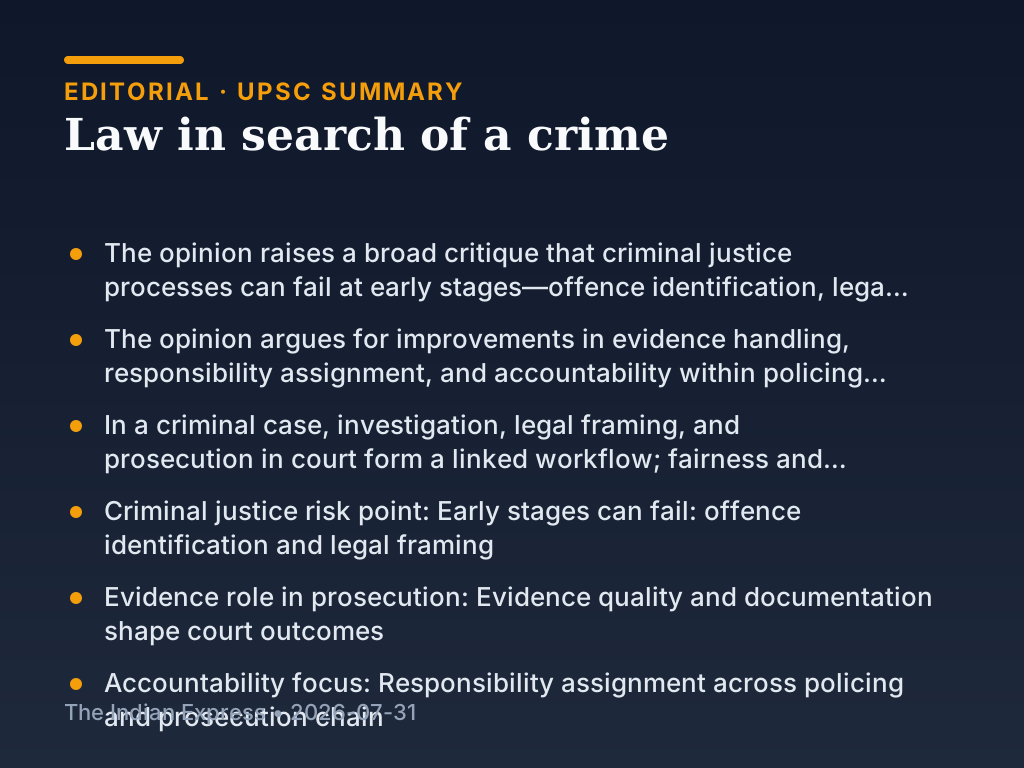
The opinion argues that the criminal justice system can fail at early and critical stages when police and prosecution processes do not match how alleged offences, evidence, and responsibility appear in real cases. The opinion links these failures to gaps in evidence handling, legal interpretation, and uneven assignment of responsibility, which then weaken accountability.
Background and earlier position (how criminal cases move)
A criminal case generally moves through connected stages: police investigation (collecting facts and evidence), legal interpretation and charge framing (deciding which offence provisions apply), and prosecution in court (presenting evidence to prove criminal responsibility).
For rule of law, legitimacy of the criminal justice process depends on three expectations: evidence should be credible and properly handled; legal framing should match the facts; and accountability should exist for serious procedural lapses or misuse of power.
What changed now (what the opinion emphasizes)
Related current affairs
- NHRC takes suo motu cognizance of reported gang rape of a 16-year-old minor in Greater Noida
- HC questions police as probe into attack on Dalit family changes hands six times
- The inside network
- Jailhouse bonds (photo pull-quote / infographic caption)
- Partnership in crime, incubated behind bars
- Witness in ex-MP Prajwal rape case alleges threat