What happened: record funding activity and an orbital-class milestone
Tracxn’s market research on India’s space technology ecosystem reports record investment activity in 2025–26 and highlights Bengaluru as the ecosystem hub for fundraising.
Tracxn estimates the sector raised about $871 million as of July. Tracxn also states that Bengaluru attracted more than half of the investment and that the top 10 most-funded firms accounted for over 60% of the total.
Tracxn highlights Skyroot Aerospace’s fundraising: Skyroot Aerospace is reported as receiving $150 million.
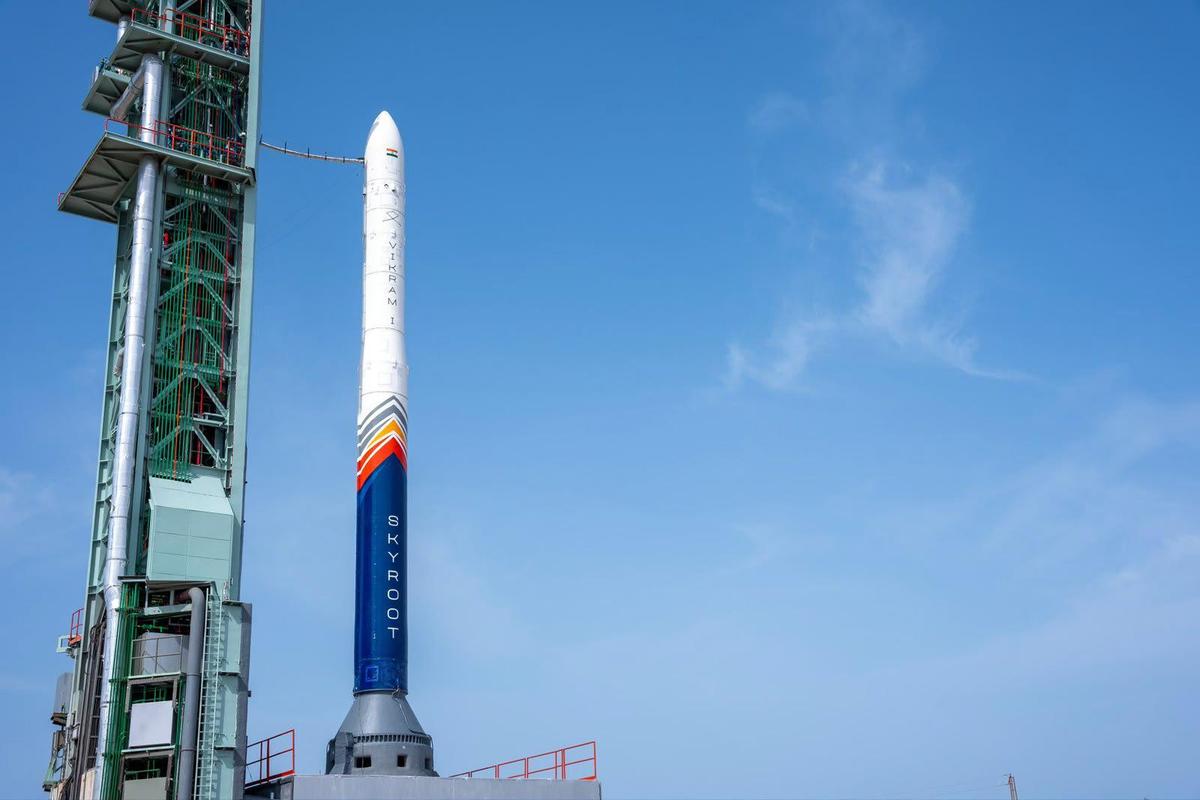
Tracxn links the fundraising narrative to an operational milestone. Skyroot Aerospace’s Vikram-1 rocket is described as India’s first privately developed orbital-class rocket and is reported to have reached low Earth orbit (LEO) on July 18.
Tracxn’s ecosystem mapping titled “Space Tech in India” maps 285 firms, with 274 active and 72 firms receiving equity funding.
Related current affairs
- Indian space tech firms raised $200 mn in 2025 led by Bengaluru (Tracxn report)
- THE GIST
- As Vikram-1 reaches orbit, Skyroot faces steep climb to prove commercial viability
- Prime Minister congratulates Skyroot Aerospace on successful launch of Vikram-1
- PM calls upon space start-ups to make India a talent hub
- PM interacts with CEOs and founders of 20 space startups