What happened: 2026 urban fire deaths tied to “death-trap” conditions
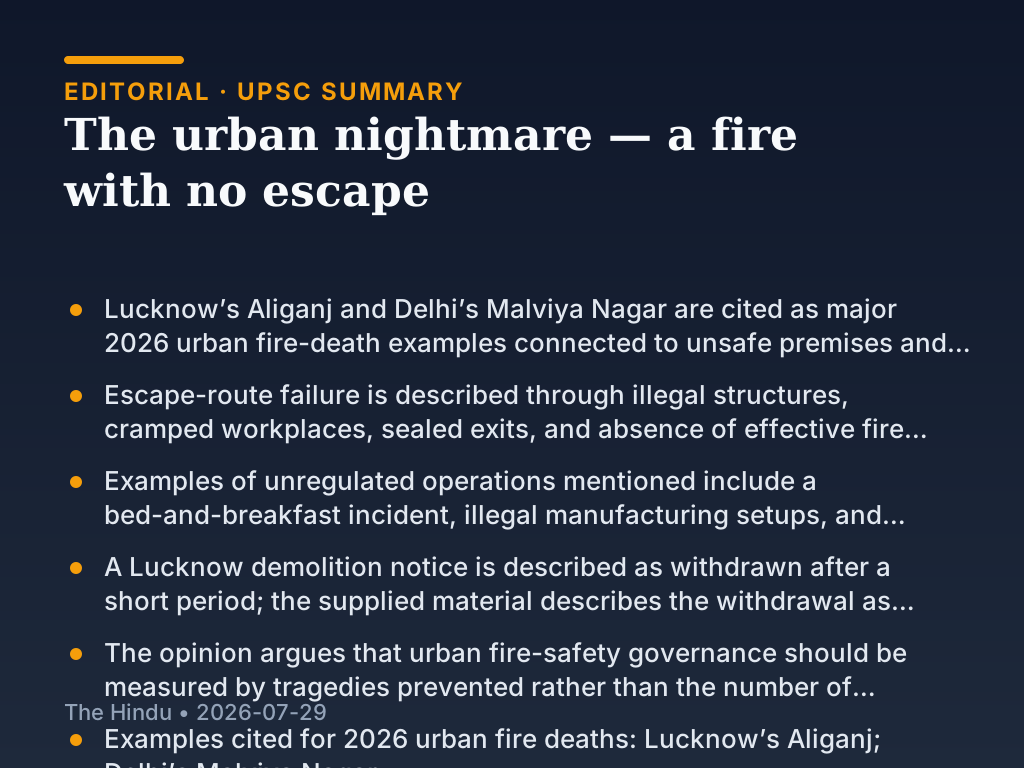
A The Hindu opinion article connects major 2026 fire deaths in Lucknow’s Aliganj and Delhi’s Malviya Nagar to unsafe premises conditions and escape-route failure. The opinion argues that urban fire tragedies persist due to governance and enforcement breakdowns rather than absence of fire-safety regulation.
How the Lucknow incident is described: escape-route failure and unsafe premises
The opinion describes the Lucknow Aliganj fire deaths as resulting from a building that operates like a death trap. The opinion links high casualties to illegal structures, cramped workplaces, sealed exits, and the absence of effective fire escapes.
Examples used: illegal construction and unregulated operations
The opinion links similar high-casualty outcomes to other urban fires caused by illegal construction or unregulated operations. Examples mentioned include a bed-and-breakfast incident, illegal manufacturing setups, and Sunday operations in environments where operations are banned.
Related current affairs
- Treat waterlogging as disaster, work on war footing: L-G to officials
- Four-storey building collapse leaves 10 dead in Maharashtra
- MoHUA publishes model building bye-laws and seismic safety guidance; BIS standards and NDMA earthquake guidelines support structural audits and resilience
- Woman, her two minor children die in blaze at Lodhi Colony residence
- CBI clears two MCD officials in coaching centre deaths case
- Falling behind: Urban failures magnified by climate and governance gaps in Mumbai’s monsoon resilience