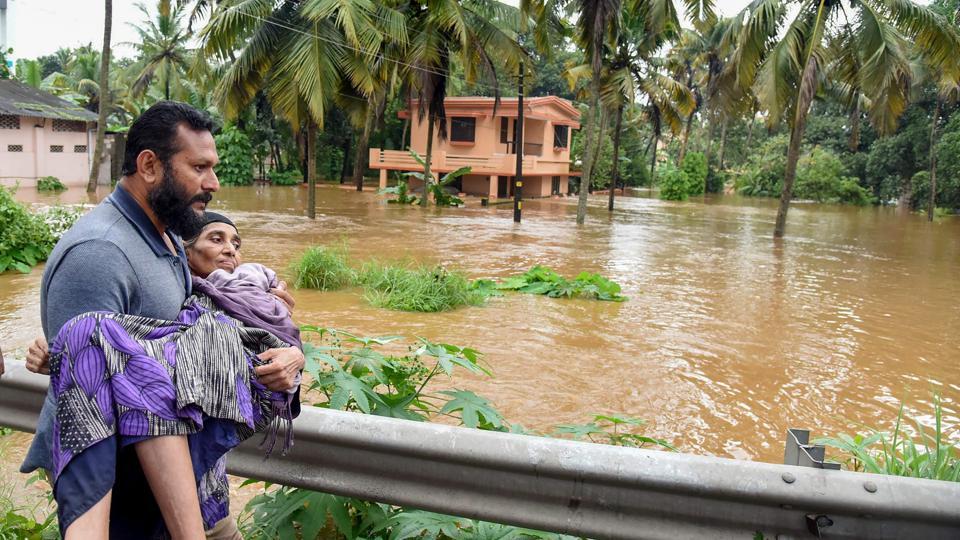
What happened
A long cover feature describes how the monsoon shapes life, memory, and landscape across India, with Kerala as the central reference point. The feature presents rain as a cultural force as well as a physical one, and argues that seasonal rainfall now carries more anxiety and disruption than romance for many people.
The feature moves from Kerala to Mumbai, the Himalayas, and the Western Ghats to show that monsoon weather affects travel, terrain, neighbourhood life, and public feeling. It links the changing experience of rain to climate change, urbanisation, changing land use, and disaster risk.
Why the monsoon matters for UPSC
The monsoon is a recurring UPSC theme because it connects Indian geography, agriculture, disaster management, urban resilience, and climate adaptation. It also has a strong social and cultural dimension, which makes it useful for both GS1 and GS3 answers.
The feature is not a policy announcement, but it is still useful as supporting material for questions on how seasonal rainfall is changing the relationship between people, space, and risk in India.
Related current affairs
- Pour it Out
- The rain bides its time
- Kerala’s Wayanad disaster shows more than “weather”: it is also a failure of planning, compliance and disaster management
- NDMC chief apologises
- Arctic ‘jungles’ offer critical insights into climate studies
- In Brief: Kerala stalling work at Mullaperiyar (obstructionist attitude)